Culture & Entertainment
How years of research built Grand Theft Auto VI’s obsessively detailed world
Source: Culture | The Guardian · Published
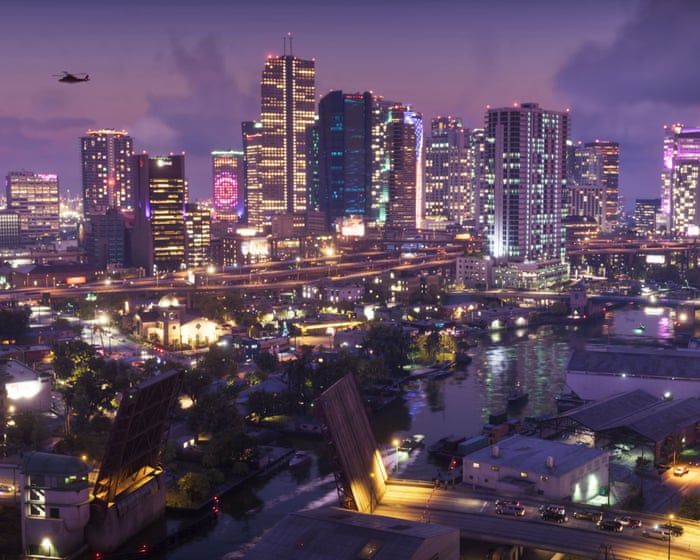
The developers behind its virtual Florida share how they built their most ambitious world so far • Don’t get Pushing Buttons delivered to your inbox? Sign up here In 2015, a group of Grand Theft Auto developers from Rockstar North took their first trips to Miami to do field resea
The developers behind its virtual Florida share how they built their most ambitious world so far • Don’t get Pushing Buttons delivered to your inbox? Sign up here In 2015, a group of Grand Theft Auto developers from Rockstar North took their first trips to Miami to do field research for the next game in the phenomenally popular crime series. “Before you’re doing hyper-organised research trips, you’re immersing yourself in the place and its history, the vibe of it,” Rob Nelson, one of the lead developers on GTA VI, tells me.
“[You see] the physical places you want to move characters through, the experiences you want them to have, and the juxtaposition between the extremes of society that are in Miami.” I wondered: did people ever recognise them on any of their research trips? Did locals know what they were doing? This is the biggest game in the world, after all; I imagine it would be difficult to go entirely undercover.
“We’re always semi-undercover,” he says. “But if you have a bunch of dorks going through a terrifying neighbourhood, you do stick out a bit.” Continue reading...
Related stories
US: 9 killed in Florida jet crash
A Learjet plane crashed near a busy road in a residential neighborhood in Palm Beach County, leaving all nine people on board dead and a large crater on ground.
World | Deutsche Welle ·
🏀 Men's hoops Power Rankings: A whole new list after two weeks of games
After two weeks of play, Florida tops the rankings, while Kansas and UCLA made big jumps with signature wins.
espn.com ·

A rare star system emits radio signals every 8 minutes
Scientists at the Curtin University node at the International Center for Radio Astronomy Research (ICRAR) have linked mysterious radio pulses to an unusual pairing of stars—a dead star that spins every eight minutes and a star similar to our own sun.
Phys.org - latest science and technology news stories ·

Nurdle impact to be researched for a year
Research will be carried out on sea-birds and marine life following a microplastic spillage in July.
feeds.bbci.co.uk ·
‘Tourists hate themselves’ – which is why Tasmania is telling them to stay away
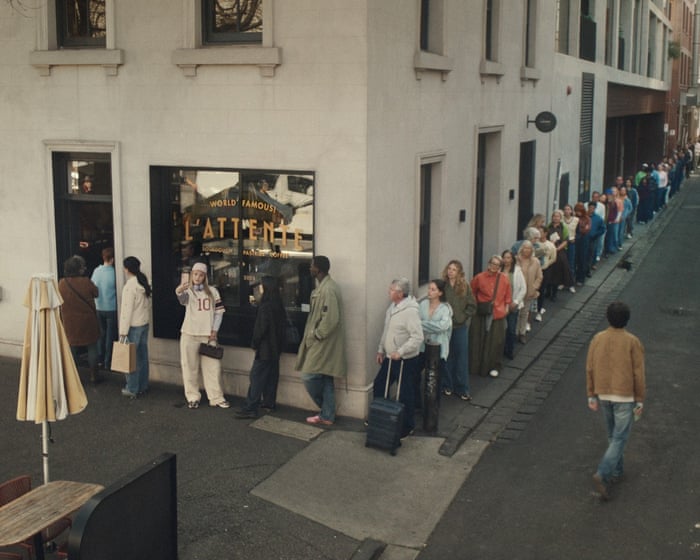
Island state declares it ‘is not really for tourists’ – but is the marketing strategy just a cheeky piece of reverse psychology? Get our breaking news email , free app or daily news podcast Research shows “tourists hate themselves” – which is exactly why the marketing flacks at T
World news | The Guardian ·