Science & Environment
Heavy hydrogen in 3I/ATLAS's methane points to a frigid birthplace
Source: Phys.org - latest science and technology news stories · Published

The interstellar comet 3I/ATLAS carries a chemical clue to conditions in the planetary system of its origin, locked away long before it reached our sun. Its methane signature is unusually rich in heavy hydrogen, suggesting that the comet's frozen ingredients took shape in an inte
The interstellar comet 3I/ATLAS carries a chemical clue to conditions in the planetary system of its origin, locked away long before it reached our sun. Its methane signature is unusually rich in heavy hydrogen, suggesting that the comet's frozen ingredients took shape in an intensely cold environment around another star—or in the cloud that preceded it.
Related stories
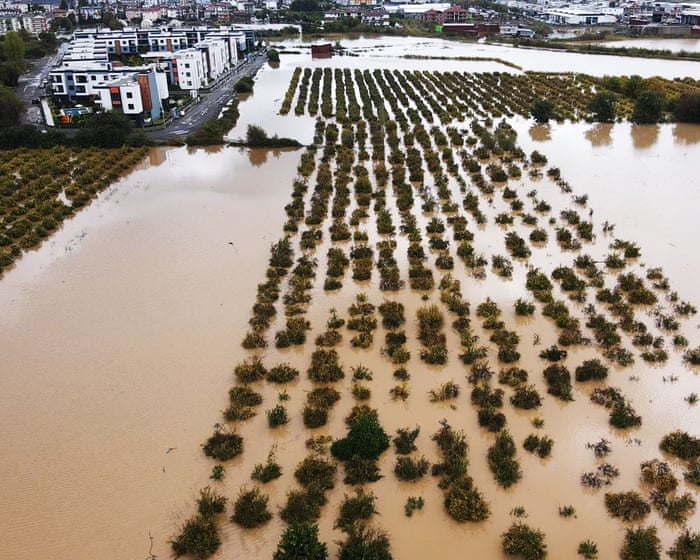
Severe rainfall and flood warnings issued for central Greece and western Turkey
Turkey has been hit by powerful thunderstorms and a fatal tornado this week with more heavy rain expected Heavy rain and strong winds will continue to affect parts of south-eastern Europe and Turkey over the next few days, as an area of low pressure in the region has allowed for
World news | The Guardian ·

How permanent daylight saving time could affect schools
Sleep is fundamental to well-being. Decisions to end semiannual clock changes and remain on permanent daylight saving time (DST) in British Columbia, the Northwest Territories, Alberta, Manitoba and northwestern Ontario have consequences for many Canadians due to potential sleep
Phys.org - latest science and technology news stories ·

2,700-year-old mummy head yields first molecular evidence linking aloe to Egyptian embalming
What materials did ancient Egyptians use to preserve the dead, and how can their composition still be investigated thousands of years later? An interdisciplinary team at Marburg University has combined modern natural product analysis with Egyptology and the history of pharmacy to
Phys.org - latest science and technology news stories ·
Common pesticide linked to 2.5 times the risk of Parkinson’s disease
A UCLA study found that long-term exposure to a common pesticide was linked to more than 2.5 times the risk of Parkinson's disease. Scientists also uncovered how the chemical damages brain cells and identified a promising way to protect them.
All Top News -- ScienceDaily ·

Aquarium shark that helped 'dispel myths' dies
Staff at Plymouth's aquarium pay tribute to a sand tiger shark believed to be almost 30 years old.
feeds.bbci.co.uk ·