Science & Environment
First direct observations reveal hydrogen dissolved in tiny gaps between metal atoms
Source: Phys.org - latest science and technology news stories · Published

University of Sydney researchers have made a breakthrough by directly observing hydrogen in the tiny spaces between the atoms in metal alloys. The world-first observation of hydrogen dissolving in these 'metal crystal lattices' offers fresh insights into why hydrogen can weaken m
University of Sydney researchers have made a breakthrough by directly observing hydrogen in the tiny spaces between the atoms in metal alloys. The world-first observation of hydrogen dissolving in these 'metal crystal lattices' offers fresh insights into why hydrogen can weaken metals and how more hydrogen-resistant materials might be developed.
Related stories
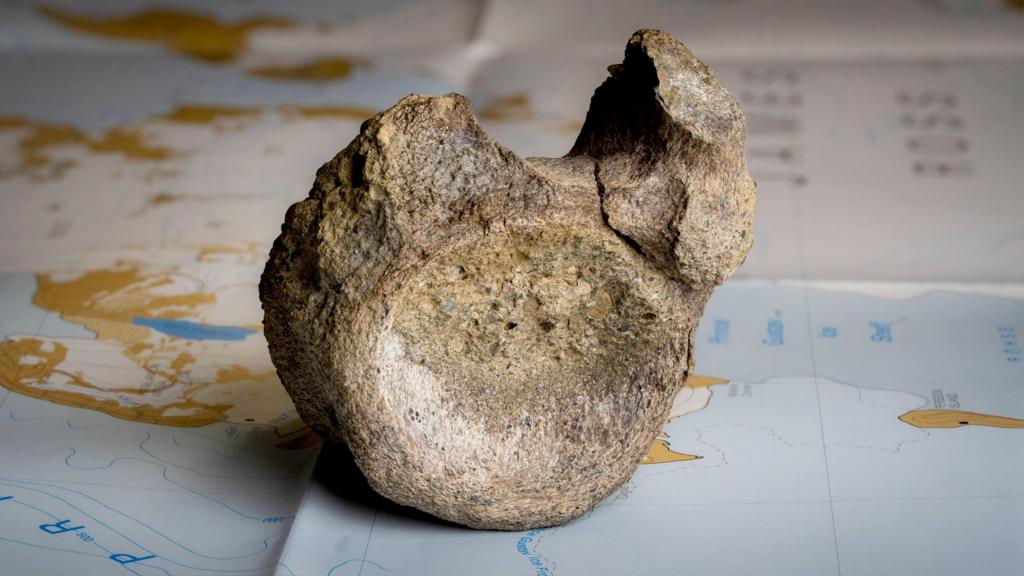
First dinosaur bone from Antarctica found in a drawer
The fossil, collected in Antarctica in 1985, is part of the tail of a beast called a Titanosaur.
feeds.bbci.co.uk ·

Entrepreneurs who struggle to understand their emotions are less committed to their business goals, study finds
Entrepreneurs who struggle to recognize and make sense of their own emotions are less likely to feel attached to their businesses and less committed to achieving their goals, particularly in high-stress periods, according to new research from the University of Bath School of Mana
Phys.org - latest science and technology news stories ·

Cosmic hydrogen measurement marks breakthrough in mapping the universe
An international research project is bringing scientists closer to mapping the universe. The MeerKLASS Collaboration has reported its first measurement of the large-scale clustering of cosmic hydrogen, advancing a technique that could transform how cosmologists chart the universe
Phys.org - latest science and technology news stories ·

Molecular choreography: How the p97 protein regulates cellular quality control
The p97 protein plays a central role in cellular quality control by preparing defective or no-longer-needed proteins for degradation and recycling. Researchers at the University of Münster, in collaboration with the University of Duisburg-Essen, have investigated how p97 and its
Phys.org - latest science and technology news stories ·
Scientists use sound waves to deliver a new attack on deadly brain cancer
Scientists at the University of Virginia have developed a promising new strategy to fight glioblastoma, one of the deadliest and most difficult-to-treat forms of brain cancer. Their experimental approach combines focused ultrasound, tiny nanoparticles, and genetic molecules calle
All Top News -- ScienceDaily ·