Science & Environment
First bacterial galactose oxidase expands toolkit for greener drug and food ingredient production
Source: Phys.org - latest science and technology news stories · Published

To produce pharmaceuticals, food ingredients, and flavors and fragrances, it is often necessary to oxidize alcohols. In conventional chemistry, this transformation typically relies on harsh oxidants and elevated temperatures and generates toxic waste.
To produce pharmaceuticals, food ingredients, and flavors and fragrances, it is often necessary to oxidize alcohols. In conventional chemistry, this transformation typically relies on harsh oxidants and elevated temperatures and generates toxic waste.
Related stories

Food, fear and physics help explain group behavior from plankton to whales
The open ocean is a dynamic environment, where food is patchy, predators are plentiful, and oceanographic conditions change constantly. Life in the pelagic environment—the offshore waters that extend from the sunlit surface through the twilight zone—requires unique adaptations fo
Phys.org - latest science and technology news stories ·
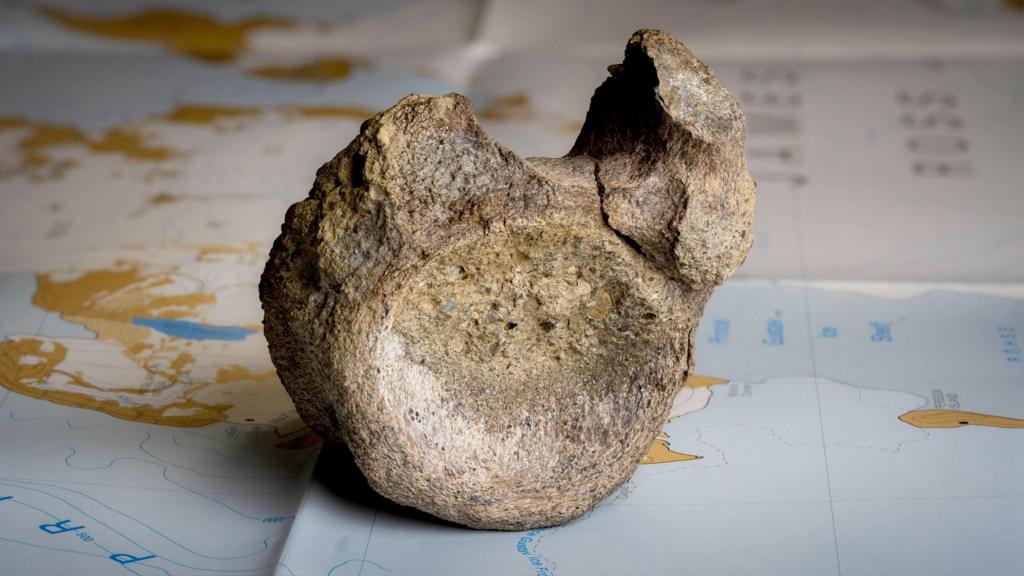
First dinosaur bone from Antarctica found in a drawer
The fossil, collected in Antarctica in 1985, is part of the tail of a beast called a Titanosaur.
feeds.bbci.co.uk ·
A fungus is threatening the world’s food supply. Scientists just found a new defense
Scientists have discovered a potential new weapon against a devastating fungus that threatens rice, wheat, and barley worldwide. By engineering a special type of plant immune receptor, researchers created defenses capable of recognizing multiple fungal threats at once. The breakt
All Top News -- ScienceDaily ·
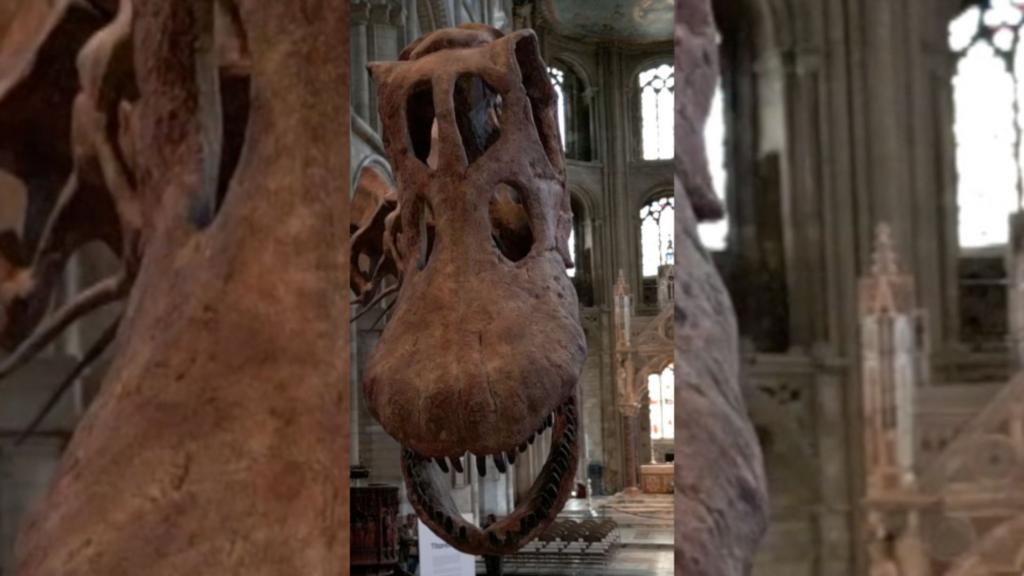
Fossil identified as first dinosaur ever found in Antarctica
Argentinian geologist Eduardo Olivero became the first scientist to find the remains of a dinosaur in Antarctica in 1986.
feeds.bbci.co.uk ·
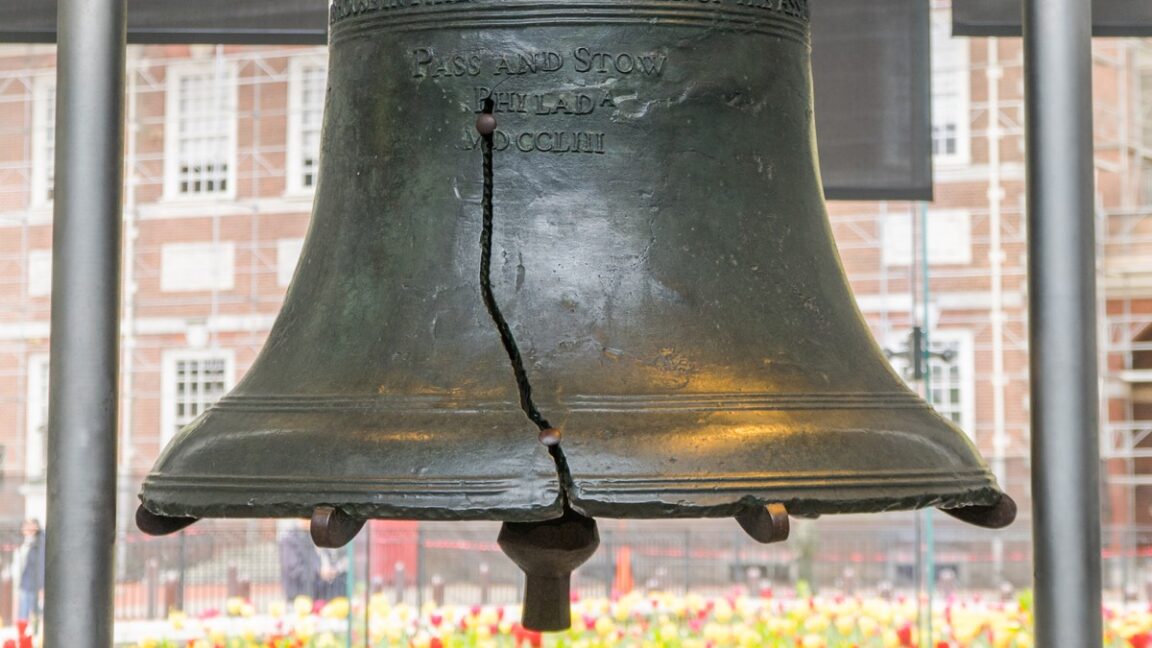
What did the Liberty Bell sound like? Science is on the case.
The Liberty Bell , with its famous crack, hasn't been rung in 180 years, but that hasn't stopped scientists from pondering what the bell might have sounded like when tolling. In honor of the nation's 250th anniversary, researchers at Penn State University have modeled its acousti
Ars Technica - All content ·