Technology & AI
Experts warn: nearly everyone in AI is susceptible to a honey trap scheme right now
Source: TechCrunch · Published
Techies are building technology that can advance all aspects of the world — but can they protect their hearts? That's the vulnerability that honey pots exploit.
Techies are building technology that can advance all aspects of the world — but can they protect their hearts? That's the vulnerability that honey pots exploit.
Related stories

Low oxygen at high altitudes may protect honey bees from deadly parasites
Honey bees (Apis mellifera) are the most important managed pollinator of agricultural crops globally. A study published Nov. 19 in the open-access journal PLOS Biology by Huoqing Zheng at Zhejiang University, Hangzhou, China, and colleagues suggests that parasitic mites causing h
Phys.org - latest science and technology news stories ·

We found a seaweed that hadn't been spotted in 90 years—and discovered vast underwater forests
A tangle of long, caramel-colored seaweed. That's what botanist A.H.S. Lucas found in 1935 while conducting research near Lord Howe Island, a World Heritage–listed site known for its unique biodiversity. After collecting some large adult specimens of this previously unidentified
Phys.org - latest science and technology news stories ·
Outages in US cause worry, despite official attempts to downplay concerns
Experts say Trump administration is not taking the threat of AI attacks seriously, as consumers stock up on supplies.
Al Jazeera – Breaking News, World News and Video from Al Jazeera ·
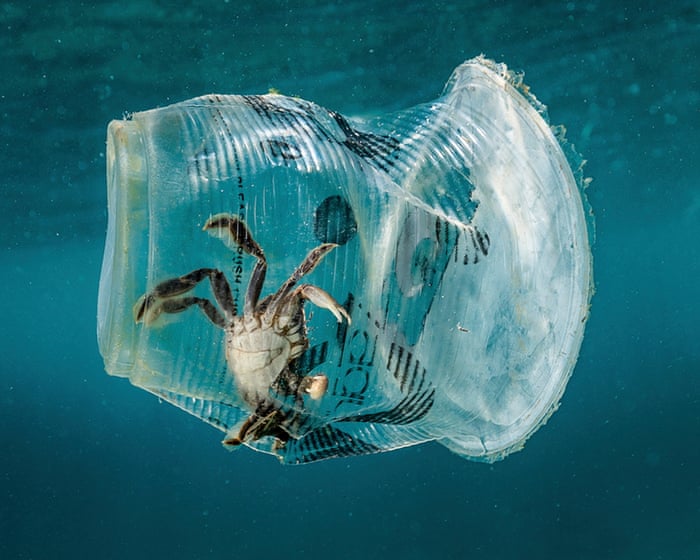
Eat your cup: could edible packaging help solve the world’s plastic problem?
Experts say seaweed could be a solution in the fight against global plastic waste, which doubled between 2000 and 2019 The name of the Northamptonshire hamlet of Nobottle means “new building” in Old English. But on a Tuesday last month, the name of the tiny cluster of houses in t
Business | The Guardian ·

The Trump administration wants to give married parents money to stay at home. Will it be enough?
Experts say the proposed program prioritizes parents in ‘traditional families’, ignoring the flexibility needed that all families need to support themselves Erica Hall and her husband knew that raising kids wouldn’t be cheap. They intentionally had their children five years apart
Business | The Guardian ·