Science & Environment
Electrical guardrails for charge carriers: A new approach to harness graphene for solar cells
Source: Phys.org - latest science and technology news stories · Published

Graphene is a single layer of carbon atoms in which electrons can move with high mobility, making it promising for high-speed electronic components. Yet it is not very efficient at converting light into electricity. While light absorbed by graphene does excite electrons, leaving
Graphene is a single layer of carbon atoms in which electrons can move with high mobility, making it promising for high-speed electronic components. Yet it is not very efficient at converting light into electricity. While light absorbed by graphene does excite electrons, leaving behind positively charged carriers called 'holes,' the absorbed light energy cannot be harnessed effectively unless electrons and holes are separated and directed to different contacts.
Related stories

The human surfaceome: AI flags potential cell surface drug targets overlooked by major databases
More than 65% of approved medicines work by binding to proteins on the surface of human cells. Yet scientists developing new treatments face a fundamental problem: Major biological databases disagree about which proteins are actually found on cell surfaces.
Phys.org - latest science and technology news stories ·

Detailed images reveal ribosome assembly inside human cells for the first time
For decades, ribosomes have been under the lens of many scientists. Ribosomes are highly sophisticated and complex molecular machines that allow cells to synthesize proteins. However, putting ribosomes together requires intricate assembly processes. While many underlying mechanis
Phys.org - latest science and technology news stories ·
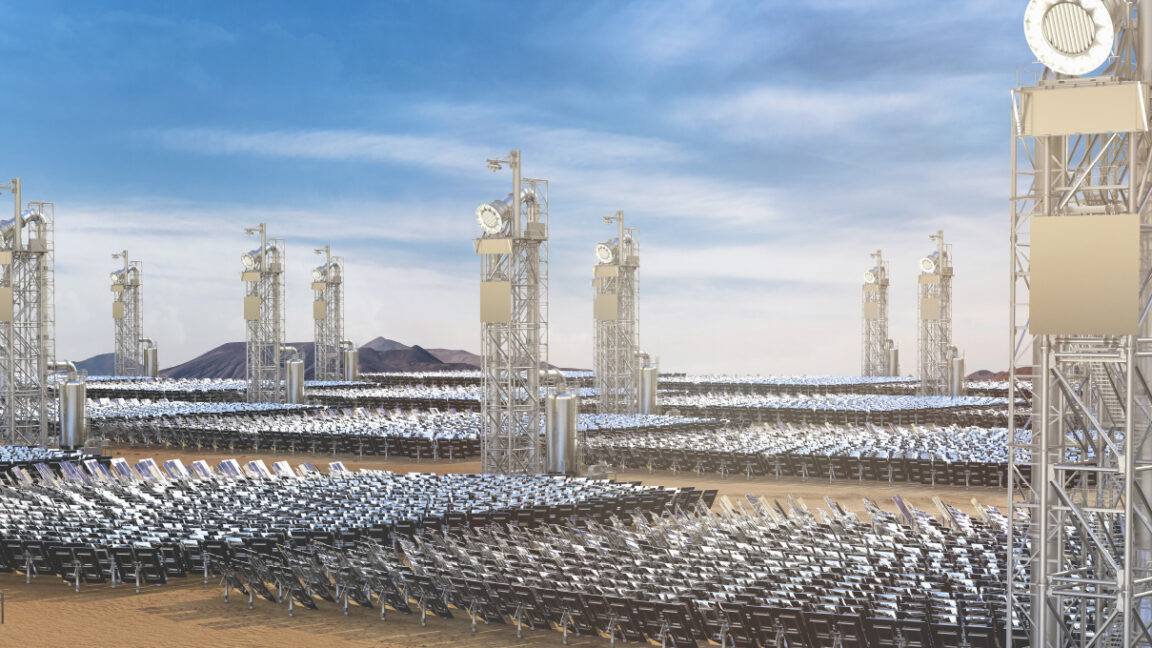
Turning a solar power system into its own backup
Rather than directly converting photons into electricity, concentrated solar energy uses mirrors to turn sunlight into heat, which can then be used to drive traditional generating turbines. Up to about a decade ago, there was a case to be made that concentrated solar energy had a
Ars Technica - All content ·
Google admits AI search makes less money, but it's fixing that with more ads
Google parent Alphabet reported its Q3 financial results on Wednesday afternoon, showing a healthy rise in revenue for the months of July to September. But the company's stock price has taken a beating, marking one of the largest post-earnings drops in its history. It comes down
Ars Technica - All content ·

Budget winners and losers: pensioners and households gain as banks and betting shops hit
How the Burnham government’s first attempt to ease cost of living pressure pans out for key stakeholders Budget 2026: key points at a glance Every budget has its winners and losers, and John Healey’s first as chancellor was no exception. While some gained from tax breaks and rule
Business | The Guardian ·