Science & Environment
Chlamydia packs DNA with lipids, revealing possible target for blocking infection
Source: Phys.org - latest science and technology news stories · Published

The bacterium Chlamydia trachomatis is one of the most common causes of sexually transmitted infections worldwide. Biologically, it is regarded as a highly specialized "nutrient thief": Because chlamydia have lost the ability to reproduce independently outside a host cell, they h
The bacterium Chlamydia trachomatis is one of the most common causes of sexually transmitted infections worldwide. Biologically, it is regarded as a highly specialized "nutrient thief": Because chlamydia have lost the ability to reproduce independently outside a host cell, they hijack human metabolic products—particularly sphingolipids—for their own development. Within the host cell, they create a sheltered environment known as an inclusion.
These bacterial colonies often grow so large that they exceed the size of the human host cell's nucleus.
Related stories

Light-activated crystals break down DNA-like molecules in water, potentially curbing antibiotic resistance
Engineers have developed a new approach for turning ordinary water into a weapon against antibiotic-resistant bacteria, according to a study published in the journal Chem Catalysis.
Phys.org - latest science and technology news stories ·
New soil test could reveal how soil microbes help feed plants
Scientists have streamlined a method for measuring DNA-bound phosphorus in soil, making it cheaper and easier while preserving its accuracy. The technique could reveal how soil microbes help recycle phosphorus and ultimately support more sustainable fertilizer and nutrient manage
All Top News -- ScienceDaily ·
These medieval graves looked like family burials. DNA told a different story
Ancient DNA shows that adults and children buried together in medieval Sweden were often not members of the same immediate family, suggesting that burial choices reflected more than biological kinship. The research also revealed early gender-based burial customs and uncovered the
All Top News -- ScienceDaily ·
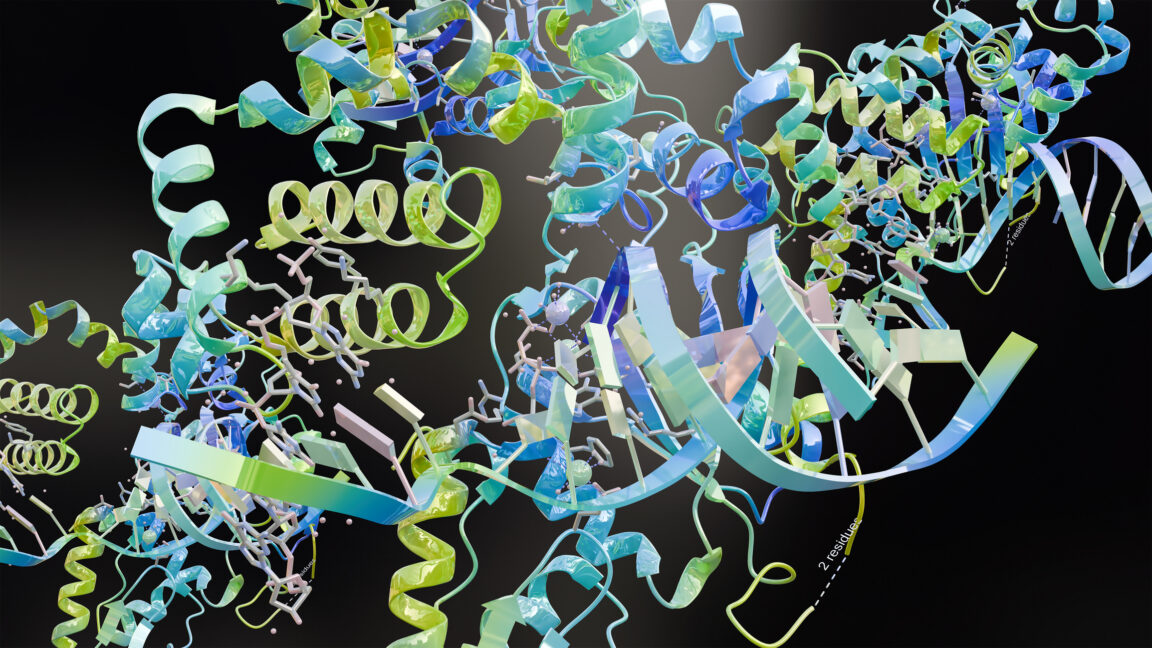
Google figures out how to watermark AI-designed proteins
AI-based tools seem to be causing security threats on a nearly daily basis, in part because we've been slow to recognize potential threats. One area where we seem to be ahead of the game, however, is in biosecurity. As with most things biological, utility goes hand in hand with t
Ars Technica - All content ·

LV= insurance is ignoring us while our house literally falls apart
We are living in a collapsing property because of cost-cutting and delays over our subsidence claim LV= General Insurance is forcing a family with three young children to live in a collapsing home because of cost-cutting and delays. We lodged a claim for subsidence damage to our
Business | The Guardian ·