Technology & AI
BMW reveals US 3 series pricing: The EV carries a hefty premium
Source: Ars Technica - All content · Published
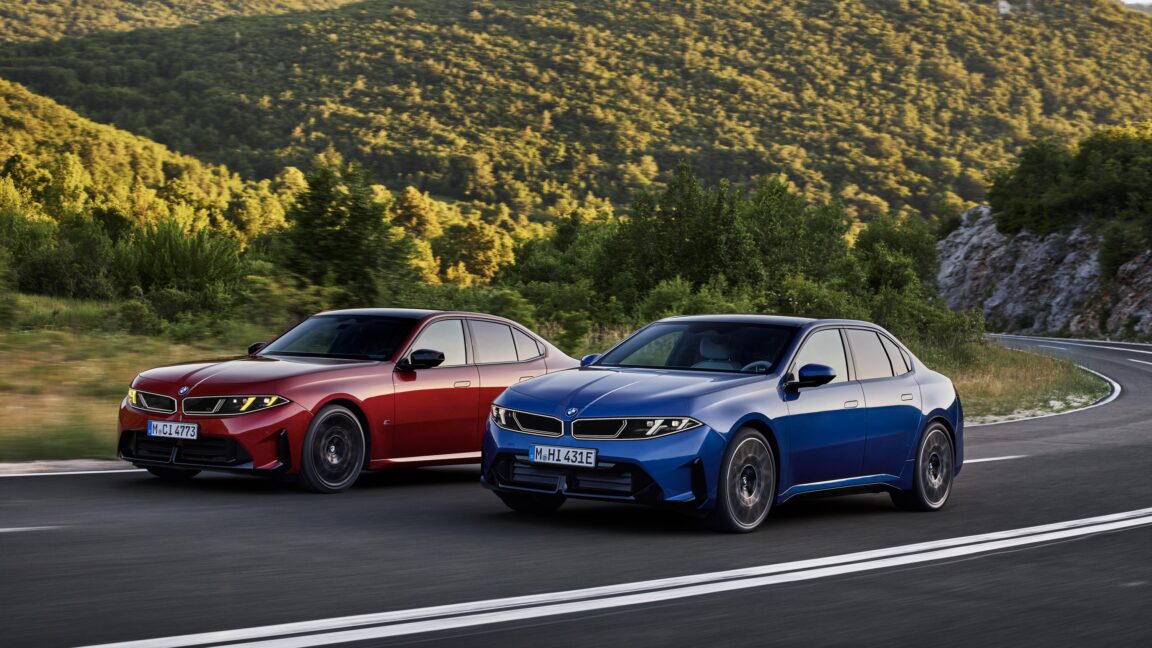
BMW has opened the US order books for its hotly anticipated new 3 Series sedan . Built on an all-new platform called Neue Klasse , it now offers a fully electric version for the first time, using BMW’s advanced sixth-generation electric powertrain we liked so much in the iX3 . An
BMW has opened the US order books for its hotly anticipated new 3 Series sedan . Built on an all-new platform called Neue Klasse , it now offers a fully electric version for the first time, using BMW’s advanced sixth-generation electric powertrain we liked so much in the iX3 . And for those not quite ready to make the switch from liquid hydrocarbons to pure electron power, there are also a pair of gasoline-powered variants.
At launch, the only electric version will be the 2027 BMW i3 50 xDrive. It’s an all-wheel drive setup, with a combined 463 hp (345 kW) and 467 lb-ft (633 Nm). And while BMW is still putting the finishing touches on the car’s EPA certification ahead of its showroom arrival in Q1 next year, it expects 446 to 468 miles (718-753 km) of range on a single charge.
Contributing to that very impressive range is the new cylindrical cell battery pack, which uses a cell-to-body approach that maximizes energy density, along with the aforementioned new sixth-gen motors. We’re not sure whether BMW is planning any single-motor, rear-wheel drive i3s for the US market, such as the i4 eDrive40 we liked so much. But later next year, we can expect the i3 M60 xDrive, and then the first completely electric BMW M3 , which will increase the motor count to four—one for each wheel.
Read full article Comments
Related stories
BMW built the same car for gas and electric. The EV is $4,400 cheaper.
The new BMW 3 Series shows just how quickly EVs have caught up to fossil fuel vehicles on pricing.
TechCrunch ·

Away’s New Series 3 Luggage Plays It Safe—That’s the Point
Away’s third generation of its iconic luggage retains the familiar design while introducing invisible tech, such as a new wheel system and an improved telescoping handle.
WIRED ·

Best Apple Watch: Series 12, Ultra 4, and SE 3 (2026)
From the latest Ultra to last year’s SE, these are the Apple Watches worth considering.
WIRED ·
US FCC head says controversial Trump ads do not raise concerns
Series of publicly-funded television spots have been criticised by Republicans and Democrats as self-promotion by Trump.
Al Jazeera – Breaking News, World News and Video from Al Jazeera ·

Earth and Mars: Built from different cosmic recipes
Four and a half billion years ago, Earth and Mars were born in the rotating cloud of gas and dust that would eventually become our solar system. Yet exactly how the planets formed remains one of the most disputed questions in planetary science.
Phys.org - latest science and technology news stories ·