Science & Environment
Bacteria and nuclear power could grow ready-made homes on Mars before astronauts arrive
Source: Phys.org - latest science and technology news stories · Published

As we gear up to eventually land a human on Mars, more and more ideas are coming out about how to prepare for that. A recent one from Pioneer Labs, a research institute founded by bioengineer Erika DeBenedictis to develop biological technologies for space exploration, is now avai
As we gear up to eventually land a human on Mars, more and more ideas are coming out about how to prepare for that. A recent one from Pioneer Labs, a research institute founded by bioengineer Erika DeBenedictis to develop biological technologies for space exploration, is now available on the arXiv preprint server, without any plans to release it in a paid journal as part of the "Open Science" policy of The Astera Institute.
Related stories

Bacteria split their membranes to kill infected cells and block viral spread, study shows
A new study reveals a previously unknown bacterial immune mechanism in which the signaling molecule 2′,3′-cGAMP triggers the splitting of the bacterial membrane into two distinct bilayers, leading to the death of infected cells and preventing further phage propagation.
Phys.org - latest science and technology news stories ·
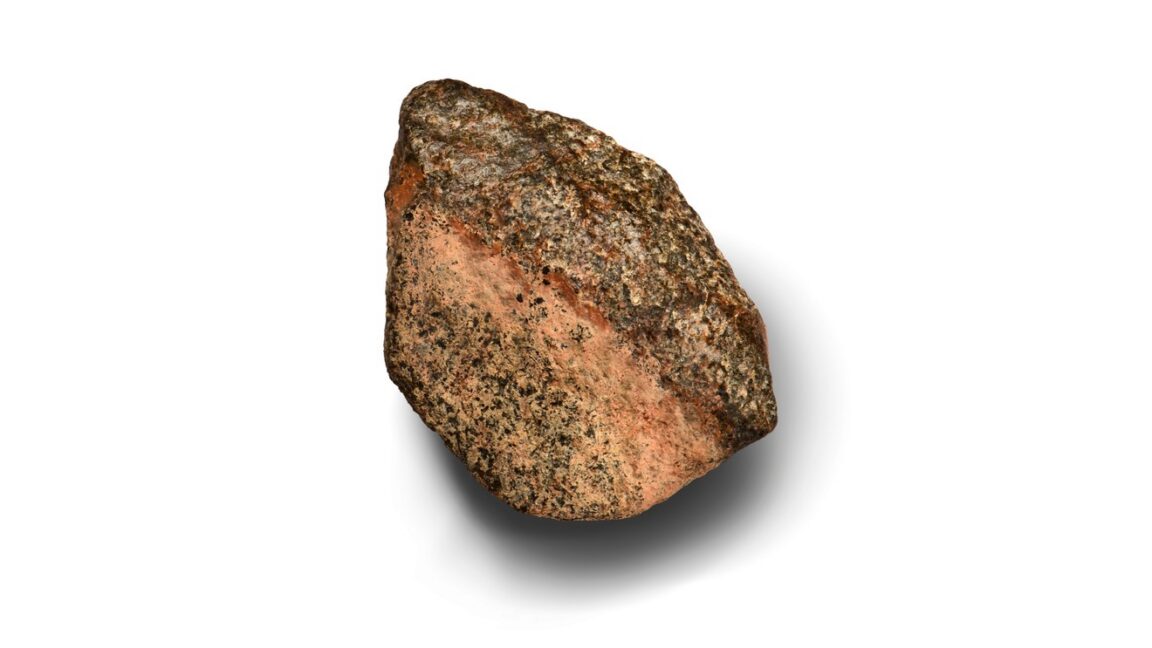
Rare meteorite from Mars gives us a view into its ancient crust
Crater counts tell us that most of the Martian surface is more than 3 billion years old, but pieces of Mars we have on Earth tell a different story. The three main classes of Martian meteorites—shergottites, nakhlites, and chassignites—are all 2.4 billion years old or younger. Un
Ars Technica - All content ·

Microscopic chambers reveal how bacteria navigate tight spots
New York University researchers have built a way to observe bacteria as they typically live: in confinement. The research, published in the journal Small, introduces microscopic traps that mimic the tiny crevices where bacteria actually live—for instance, in soil or in our mouths
Phys.org - latest science and technology news stories ·

Image: Curiosity spots drifting twilight clouds
NASA's Curiosity Mars rover captured these drifting clouds on Oct. 31, 2026, the 5,061st Martian day, or sol, of the mission. The rover uses its navigation cameras to capture post-sunset clouds, called twilight clouds, which appear for only a short time each fall over Gale Crater
Phys.org - latest science and technology news stories ·
NASA is offering $1 million for bold ideas to help build a Moon base
NASA is offering $1 million in its new Moon Base Challenge, inviting U.S. students to develop innovative solutions for building humanity’s first permanent lunar outpost. From power systems to astronaut safety, their ideas could help make long-term life on the Moon possible and pa
All Top News -- ScienceDaily ·