Science & Environment
Ancient Cahokia transformed amid droughts and flooding—climate change is reshaping modern communities in similar ways
Source: Phys.org - latest science and technology news stories · Published

More than 800 years ago, a combination of environmental and societal challenges led some Mississippian people to leave Cahokia, a massive archaeological site that was once home to 20,000 people near modern-day St. Louis. Just south of Cahokia, another archaeological site is takin
More than 800 years ago, a combination of environmental and societal challenges led some Mississippian people to leave Cahokia, a massive archaeological site that was once home to 20,000 people near modern-day St. Louis. Just south of Cahokia, another archaeological site is taking shape at Centreville, Illinois, as modern-day people abandon their homes in the face of 21st-century climate and cultural changes.
Related stories
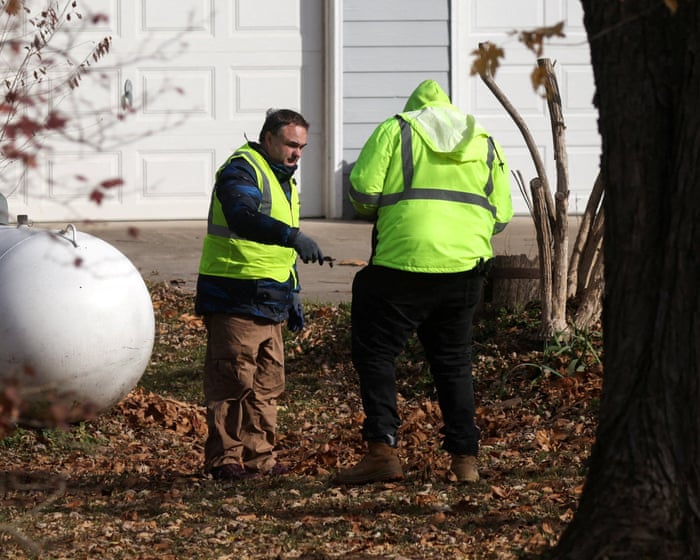
As US gears up for Thanksgiving, Iowa braces for controlled bomb blast
Detonation of 68 barrels of lead azide scheduled for Wednesday after several delays amid public outcry Residents of Iowa, Illinois and Missouri who are preparing for Thanksgiving are also bracing themselves for the detonation of hazardous bomb-making materials, after the US army
World news | The Guardian ·

A world-class winger - Louis Rees-Zammit 2.0
Wales wing Louis Rees-Zammit may not have made the cut in American football, but his gridiron crucible has seen him reformed as an improved version on his rugby union return.
feeds.bbci.co.uk ·
Canadiens coach St. Louis: 'Harsh thing to say' Larkin 'quit' on Red Wings
The Canadiens have no concerns about newly acquired star Dylan Larkin asking Detroit for a trade, having been accused of quitting on the Red Wings after leaving in the fourth year of an eight-year contract.
espn.com ·

Hum Are Hitting the Road in 2027
It’s the Illinois rock band’s first proper run since 2015
RSS: News ·

Errors in judging friendships predict who will connect or drift apart six months later
Decades of research show that mental representations of social networks are riddled with errors, with people commonly misidentifying existing ties and reporting relationships that do not exist. While these inaccuracies have been interpreted as noise arising from the limits of mem
Phys.org - latest science and technology news stories ·