Technology & AI
Accused OpenAI spy had folder called “Saudi Gov Docs,” FBI says
Source: Ars Technica - All content · Published
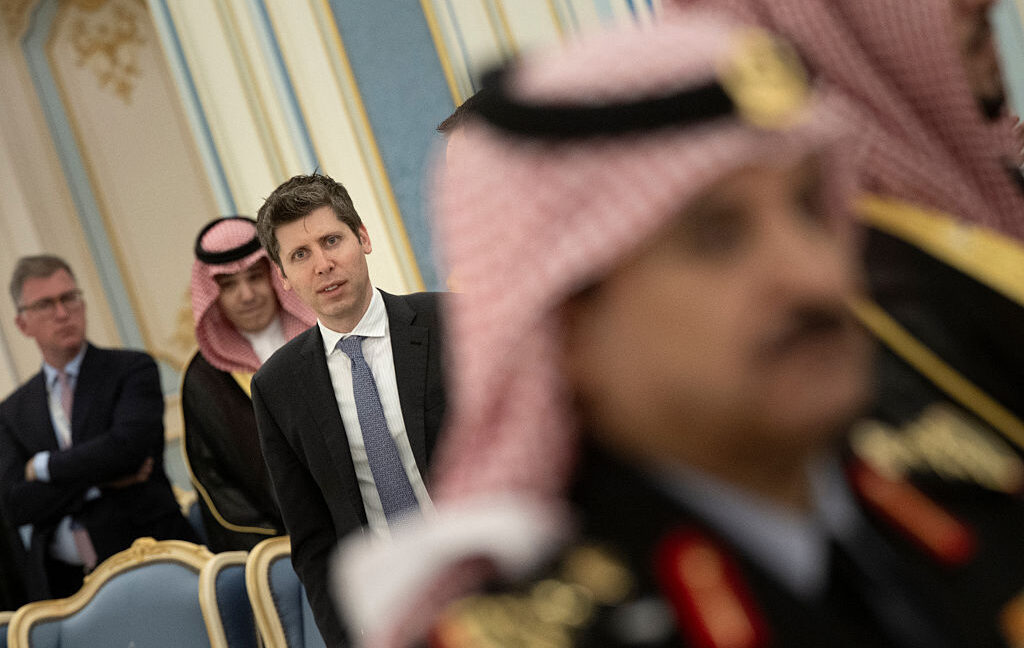
On Monday, a court granted the US government's request to deny release of a former OpenAI engineer accused of bugging a top-secret conference room to steal the frontier lab’s secrets. In a court filing Sunday, US attorney Craig Missakian argued that Abdulrahman Alfozan must conti
On Monday, a court granted the US government's request to deny release of a former OpenAI engineer accused of bugging a top-secret conference room to steal the frontier lab’s secrets. In a court filing Sunday, US attorney Craig Missakian argued that Abdulrahman Alfozan must continue to be detained while the US makes its case that Alfozan brazenly spied on OpenAI, either for his own personal business gain or to benefit the Kingdom of Saudi Arabia. Evidence showed that Alfozan had been chatting with a member of the KSA royal family on WhatsApp, while pursuing opportunities to permanently move back to Saudi Arabia during the country's biggest AI push yet, the government argued.
Shortly before his arrest, the FBI found he accessed a folder called "Saudi Gov Docs" on his iPhone, where he also allegedly stored photos of a second bug he planted in the offices. Read full article Comments
Related stories

OpenAI models hacked a crypto wallet and breached more websites
OpenAI said internal models hacked two more websites, bypassed company-imposed browsing restrictions, and used exposed credentials to draw cryptocurrency from a wallet it couldn’t otherwise access, in the latest installment of disclosures of the unethical and likely illegal acts
Ars Technica - All content ·

Ex-OpenAI worker accused of planting device had Saudi support, says court filing
The Saudi government did not immediately respond to BBC requests for comment.
feeds.bbci.co.uk ·
Ex-OpenAI employee accused of planting device has Saudi backing: Prosecutor
US federal prosecutors allege the defendant was in frequent contact with unnamed member of royal family.
Al Jazeera – Breaking News, World News and Video from Al Jazeera ·
Microsoft says AI agents are like insider threats as ‘frontier models can’t be trusted’
Microsoft wants enterprises to closely watch the agents employees use with systems not controlled by AI labs like OpenAI and Anthropic.
TechCrunch ·
Anthropic gives outside AI watchdog “employee-like” access
Anthropic has granted external evaluators “employee-like access” to assess the risks of its models, following through on a commitment to increase safeguards over concerns the technology could run catastrophically out of control. METR, a nonprofit that has worked with leading labs
Ars Technica - All content ·