Science & Environment
A magnetar can be born when two neutron stars touch
Source: Phys.org - latest science and technology news stories · Published

All neutron stars have intense magnetic fields. The typical magnetic field of a neutron star is about 100,000 times stronger than the strongest magnetic fields we can create on Earth. But about 1% of neutron stars have even stronger magnetic fields. Known as magnetars, their magn
All neutron stars have intense magnetic fields. The typical magnetic field of a neutron star is about 100,000 times stronger than the strongest magnetic fields we can create on Earth. But about 1% of neutron stars have even stronger magnetic fields.
Known as magnetars, their magnetic fields can be 1,000 times stronger than a regular magnetic field. They are a likely cause of powerful transient events such as soft gamma-ray repeaters and fast radio bursts. A new study looks at how magnetars might form.
The findings are published on the arXiv preprint server.
Related stories
NASA solves a strange mystery hidden inside asteroid Bennu’s boulders
NASA scientists have finally uncovered why asteroid Bennu loses heat so quickly despite being covered in massive boulders. Samples returned to Earth reveal that its rocks are filled with hidden cracks, solving a mystery that has puzzled researchers for years.
All Top News -- ScienceDaily ·
Astronomers discover a ghostly green star unlike any known before
Astronomers have uncovered a surprising rainbow of dead stars, including the first known star that would appear genuinely green to human eyes. Researchers found that white dwarfs can glow in unexpected shades of pink, purple, yellow, and cyan because of unusual chemical interacti
All Top News -- ScienceDaily ·
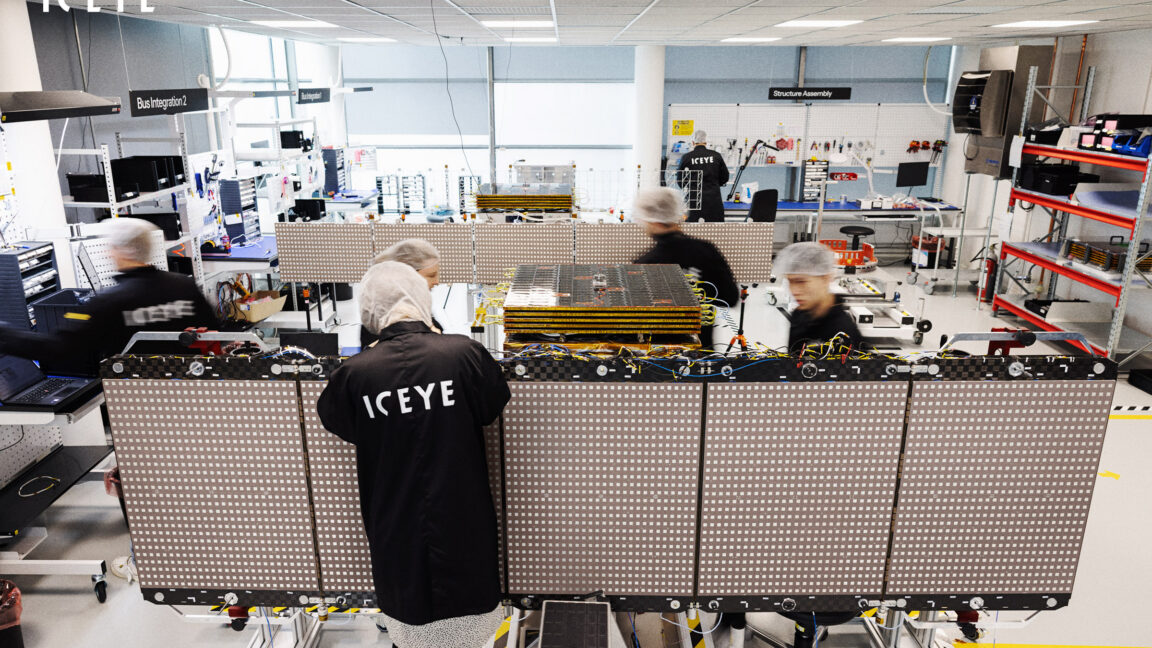
Russian spacecraft maneuvers in "extreme proximity" to satellite used by Ukraine
A Russian military satellite maneuvered in "extreme proximity" of a commercial Earth-imaging satellite in recent days in the first known example an unsanctioned rendezvous in low-Earth orbit, according to orbital intelligence company LeoLabs. The Russian spacecraft, Kosmos 2612,
Ars Technica - All content ·

Mission blasts off for Mars to grab a piece of its moon
A spacecraft is set to launch on an ambitious mission to bring 10g of Martian moon dust back to Earth.
feeds.bbci.co.uk ·

All-Clad Factory Seconds Sale: Cookware Deals for Fall Cooking
Upgrade your cold-weather cooking setup with discounted cookware for soups, stews, and roasts.
WIRED ·