Technology & AI
A Cray-1 supercomputer replica from 30 "obsolete" Mac Minis
Source: Ars Technica - All content · Published
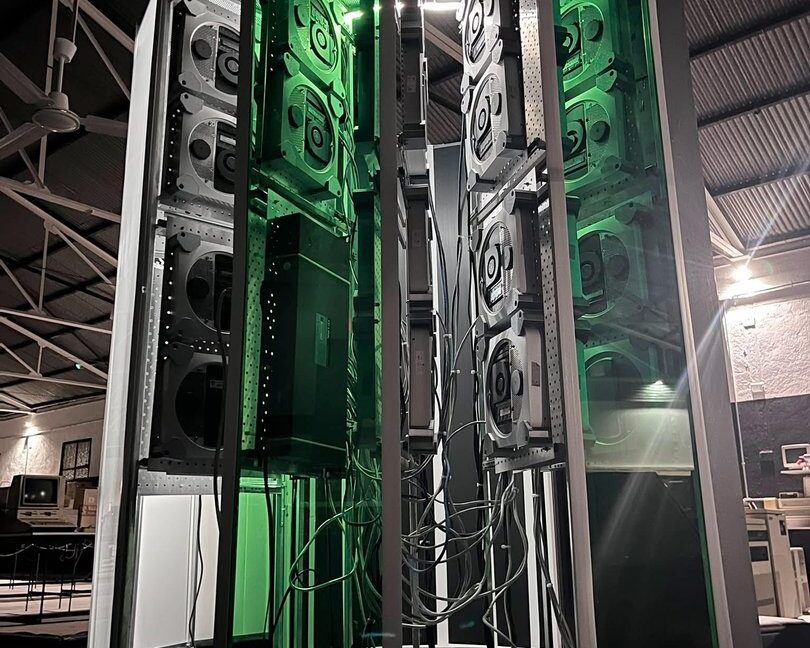
The Museo de Historia de la Computación in Spain has unveiled a 1:1 scale visual replica of the famous Cray-1 supercomputer from 1976. Instead of sourcing expensive, cutting-edge tech to run the system, the creative team powered the project with 30 2012-era Mac Minis. Developed o
The Museo de Historia de la Computación in Spain has unveiled a 1:1 scale visual replica of the famous Cray-1 supercomputer from 1976. Instead of sourcing expensive, cutting-edge tech to run the system, the creative team powered the project with 30 2012-era Mac Minis. Developed over 18 months, the project serves as a 50th-anniversary tribute to the Cray-1 and Apple's founding.
Mac Minis from over a decade ago might not seem like the obvious first choice for building a cluster supercomputer, but when networked together, the developers can orchestrate the 64 active processing cores into a combined 1.3 teraflops of performance in their most recent tests. The museum reportedly achieved 1.5 teraflops previously using all 70 available cores, prior to one node going offline. Benchmarks were obtained using a custom matrix-multiplication Python script.
Five PCs are quad-core i7s, and the remaining 25 are dual-core i5 models. Except for two units from 2014, the rest of the array dates to 2012. The replica is a valuable tool for museum-goers to understand the shifts in computer architecture since 1976.
The original Cray-1 used vector processing, applying a single instruction to multiple data elements simultaneously, whereas the replica distributes work across independent processors in a parallel cluster. The peak theoretical performance of the original Cray-1 was approximately 160 megaflops. What was originally a purpose-built research machine has been re-created with consumer hardware that's vastly more capable than the machine that inspired it.
Read full article Comments
Related stories

Tech Now
Shiona McCallum visits Cairngorms National Park to see tech monitor wildfire damage.
feeds.bbci.co.uk ·
Anthropic can’t reliably control its AI agents. It’s cutting off its internal evals from the live internet instead
Anthropic said it "turned off live internet access" for "all our internal evaluations" until further notice.
TechCrunch ·
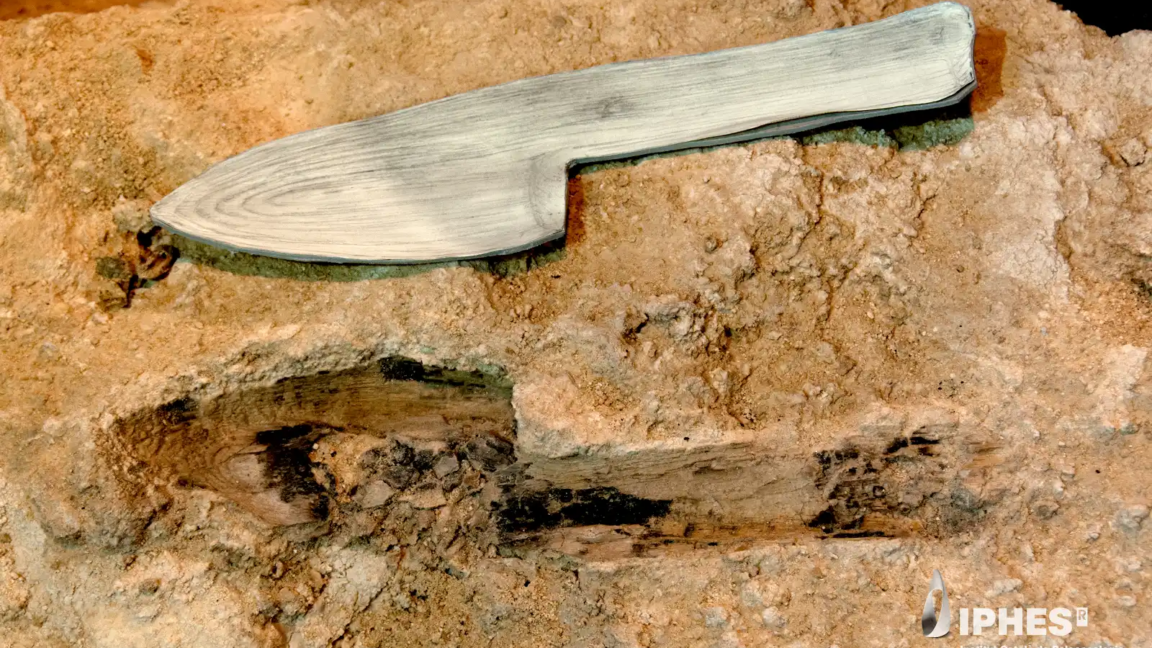
Neanderthal wooden tools from Spain found preserved in stone
The Stone Age owes its name to tools that survived to our time. The material early humans worked with most, though, was probably wood because it is so much easier to process. Unfortunately, we know very little about Paleolithic woodwork because wood rots relatively quickly. But a
Ars Technica - All content ·
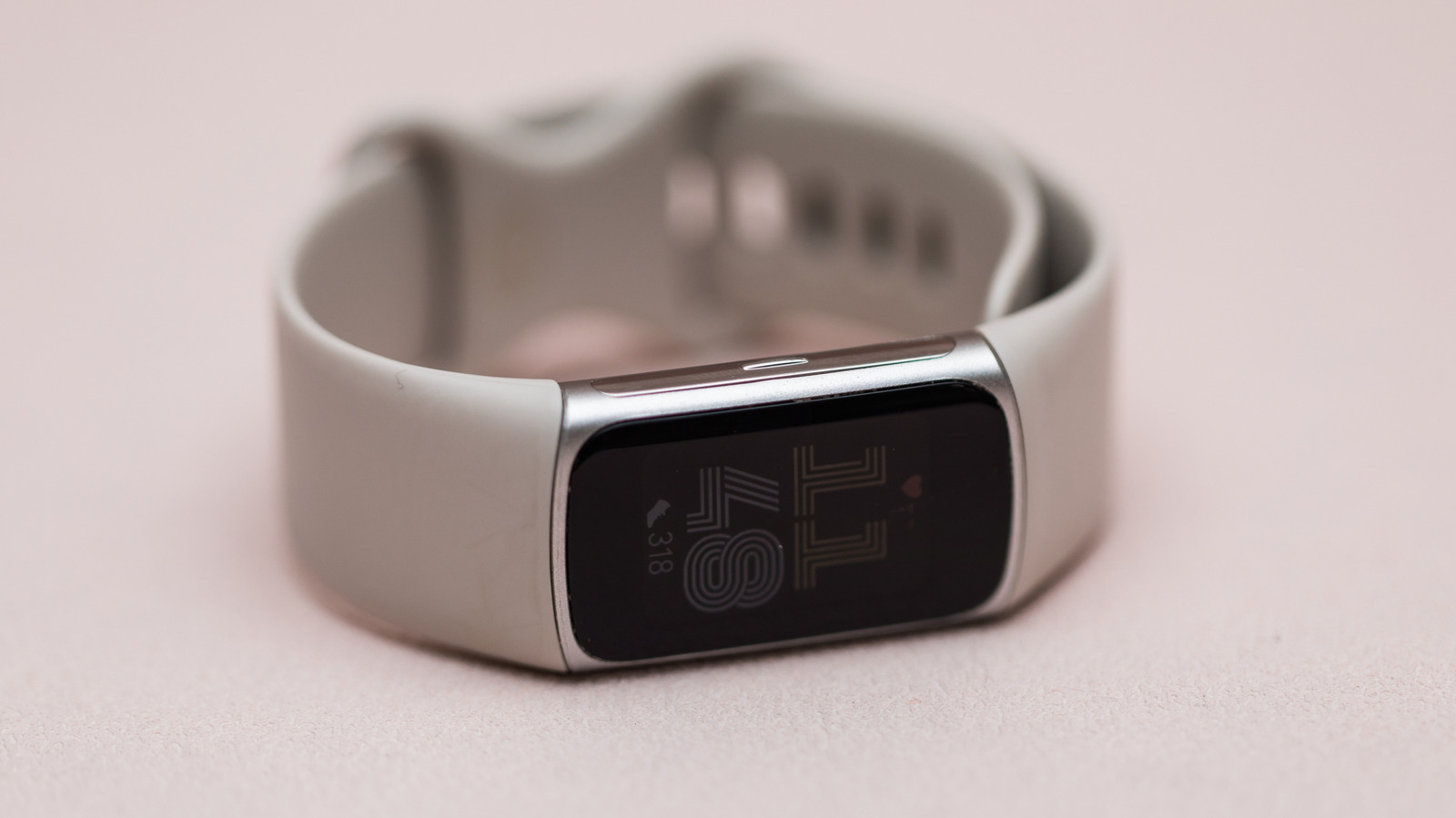
Google teases its new 'Fitbit Edge' wearable ahead of an October 12 reveal
Google has seemingly confirmed the rumored "Fitbit Edge" with social media posts teasing a new wearable coming October 12.
Engadget - Technology News & Expert Reviews ·
Long live the mechanical keyboard
Keychron made a name for itself after launching on Kickstarter in 2017. Today, it offers the value K2 model as well as a variety of other versions, including one with an all-wood body.
TechCrunch ·