Science & Environment
'24/7 unmanned synthesis platform' uses robots and light to produce drug candidates
Source: Phys.org - latest science and technology news stories · Published

Even when AI designs molecules with potential as medicines, drug development can be delayed if the process of producing them is slow. KAIST researchers have developed an "unmanned synthesis platform" that uses synthesis robots and light to automatically carry out the entire proce
Even when AI designs molecules with potential as medicines, drug development can be delayed if the process of producing them is slow. KAIST researchers have developed an "unmanned synthesis platform" that uses synthesis robots and light to automatically carry out the entire process from mixing raw materials to synthesis and analysis. The technology is expected to help secure a wider range of drug candidate compounds by reducing the burden of repetitive experiments.
Related stories
This bird flies thousands of miles, but its wings have a catch
Scientists have uncovered an unexpected trade-off in the wings of the European nightjar, a bird that migrates thousands of kilometers but sacrifices high-speed flight efficiency to hunt insects with remarkable agility. Even more surprisingly, it generates thrust on the upward win
All Top News -- ScienceDaily ·
Mysterious brain activity under anesthesia challenges what we know about consciousness
Even under general anesthesia, the human brain can analyze language, recognize different types of words, and predict what comes next in a story, according to a surprising discovery by Baylor researchers. The findings challenge our understanding of consciousness and suggest that t
All Top News -- ScienceDaily ·
AI can act exactly like a human, but we still don't think it's conscious
A new study reveals that people draw a surprisingly sharp line between human consciousness and artificial intelligence, even when both behave identically. Researchers found that participants considered even the most responsive AI less conscious than the least responsive human. Ye
All Top News -- ScienceDaily ·
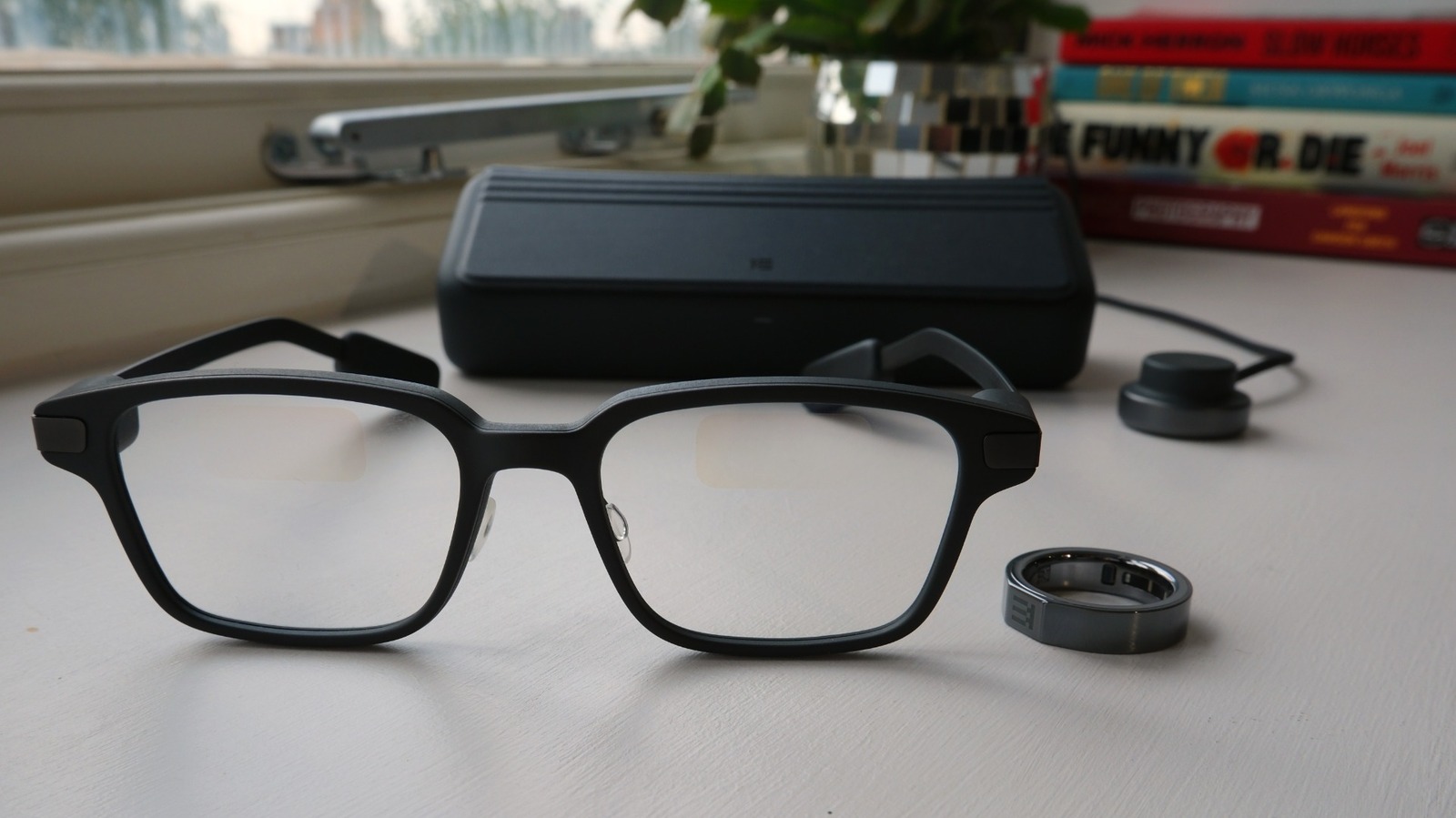
Even Realities G2 review: Smart glasses, stupid controls
Even Realities makes one of the best smart glasses on the market, but controlling its growing feature set is harder than it should be.
Engadget - Technology News & Expert Reviews ·

Scientists redetermine a key strontium frequency with 50 times better precision for quantum technologies
The Korea Research Institute of Standards and Science (KRISS) has remeasured a key transition frequency of the strontium (Sr) atom for the first time in 88 years, since 1938, using a photonic grating chip. It has established a new absolute frequency value with a measurement uncer
Phys.org - latest science and technology news stories ·