التقنية والذكاء الاصطناعي
The Bantu expansion changed Africa. Scientists are still tracing how.
المصدر: Ars Technica - All content · نُشر
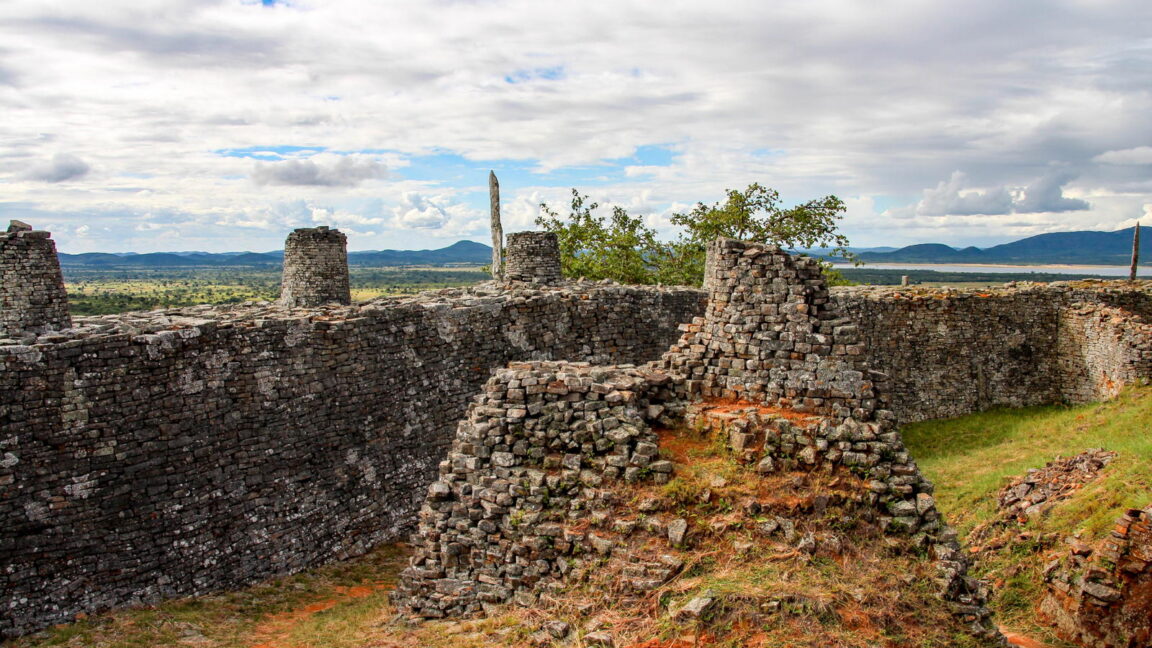
It’s not easy to extract iron from its ore. But the peoples of the ancient city of Great Zimbabwe—the capital of a thriving kingdom in southern Africa between 1000 to 1700 AD—were masters. At sites near the city’s stone ruins, clusters of iron-smelting furnaces survive today as m
It’s not easy to extract iron from its ore. But the peoples of the ancient city of Great Zimbabwe—the capital of a thriving kingdom in southern Africa between 1000 to 1700 AD—were masters. At sites near the city’s stone ruins, clusters of iron-smelting furnaces survive today as mounds of rubble.
At Mashava, a village 25 miles northwest, fragments bear fingermarks of those who long ago smoothed the structures’ clay interiors. Some of the furnaces were nearly an adult’s arm span in width, with walls thick and strong to contain the heat of more than 2,100° Fahrenheit needed to smelt iron. Unlike other furnaces that required workers to force air into them with bellows, these were designed to suck air in, then out through a chimney, no human labor required.
This would have made it significantly easier to produce the iron, which was fashioned into hoes, axes, and arrowheads. Read full article Comments
أخبار ذات صلة

Scientists discovered an unknown baby right whale off Canada. They say it's a cause for joy
It would seem difficult to miss a 15,000-pound (6,804-kilogram) baby, but for months scientists who study rare whales did just that, and now they couldn't be happier.
Phys.org - latest science and technology news stories ·
Scientists discover Europe's ancient forests were nothing like we imagined
Scientists have uncovered evidence that Europe was dominated for more than 20 million years by open woodlands, colorful meadows, and large grazing animals, not the dense forests long considered its natural state. The surprising discovery challenges modern reforestation strategies
All Top News -- ScienceDaily ·
Scientists accidentally solve a chemistry mystery that lasted 60 years
After more than 60 years of unsuccessful attempts, scientists have finally isolated stable examples of elusive boron-oxygen molecules once considered too unstable to capture. The surprising breakthrough, achieved using relatively simple chemical reactions, could pave the way for
All Top News -- ScienceDaily ·
Scientists just found dinosaur blood that survived 115 million years
Scientists have discovered chemically confirmed traces of ancient blood inside 115-million-year-old dinosaur bones, challenging assumptions about how long biological molecules can survive. The extraordinary preservation could unlock new clues about dinosaur physiology and even he
All Top News -- ScienceDaily ·
Scientists discover that a clogged filter could revolutionize oil refining
Scientists have developed a remarkable new membrane that separates crude oil at room temperature, using the oil itself to create microscopic filtration channels. The breakthrough could cut refining energy consumption by nearly 32%, carbon emissions by almost 38%, and operating co
All Top News -- ScienceDaily ·