العلوم والبيئة
RipEye flags possible rip currents in beach photos within seconds
المصدر: Phys.org - latest science and technology news stories · نُشر

Rip currents remain one of Australia's deadliest beach hazards, contributing to 47% of the 66 beach drowning deaths recorded in the 2025 National Drowning Report.
Rip currents remain one of Australia's deadliest beach hazards, contributing to 47% of the 66 beach drowning deaths recorded in the 2025 National Drowning Report.
أخبار ذات صلة
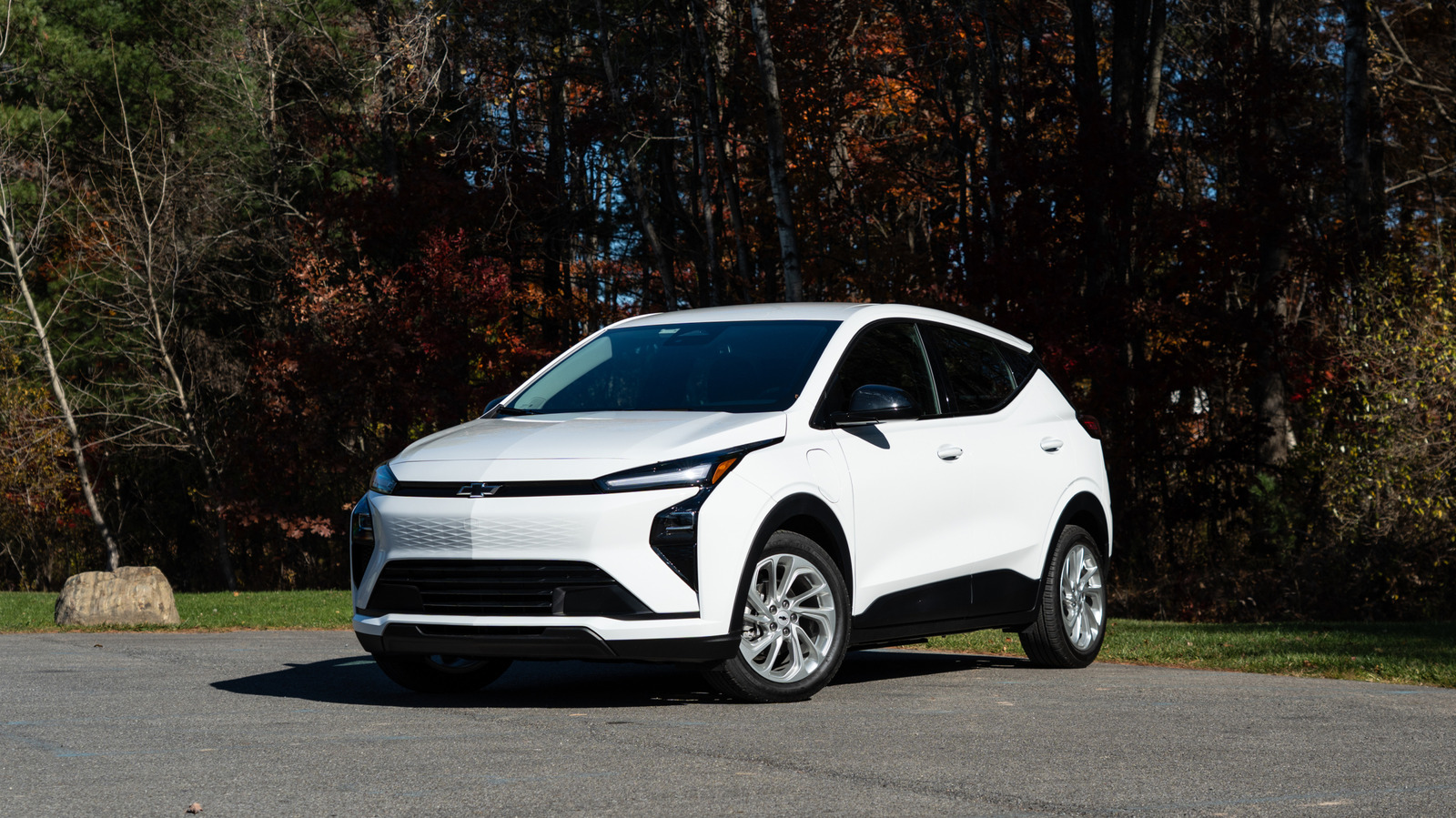
2027 Chevrolet Bolt Review: RIP to the GOAT of low-cost electric motoring
Like a budget-minded phoenix, the Bolt is back - but not for long.
Engadget - Technology News & Expert Reviews ·
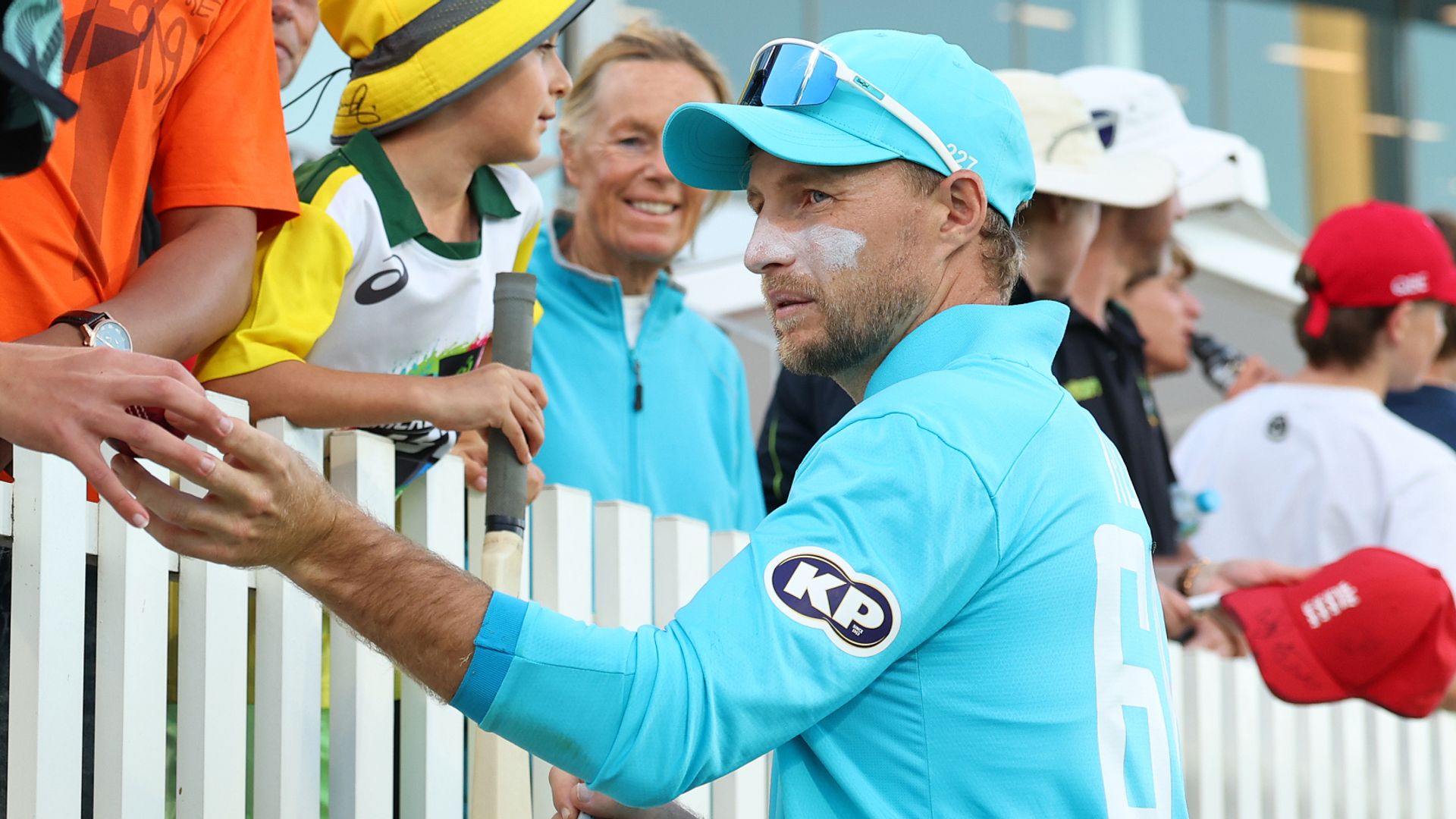
Root plays down ball-tampering talk after Khawaja's Ashes claims
England's Joe Root says he does not believe ball-tampering was rampant across the international game at the time of Australia's 'Sandpapergate' scandal as he chose not to pile in on his Ashes rivals following Usman Khawaja's explosive claims.
SkySports | News ·

Beach volleyball in Morecambe Bay? An Olympics of the north sounds like a winner | Emma John
Our sport-loving PM is willing to risk a bitter north v south furore, all for the sake of table tennis in Teesside As someone who barely understands their own finances, let alone the country’s, I will admit that budget day doesn’t always register with me. Perhaps if there were ou
Sport | The Guardian ·

Research snapshot: The use of icons in aphasia-friendly texts
Pictorial reading supports, such as icons, can help people with aphasia better comprehend the material and enjoy the reading process. But exactly what type of icon is most helpful?
Phys.org - latest science and technology news stories ·

Roman-era 'frog feast' near Cambridge was the work of owls, bone analysis suggests
Around 1,800 years ago, over 9,000 bones, mainly from frogs, ended up in an Iron Age/Roman gully near Cambridge. When archaeologists first dug them up, speculation soon followed. Were these the remains of a Roman frog feast or perhaps the skeletal aftermath of a ritual?
Phys.org - latest science and technology news stories ·