العلوم والبيئة
NASA solves a strange mystery hidden inside asteroid Bennu’s boulders
المصدر: All Top News -- ScienceDaily · نُشر
NASA scientists have finally uncovered why asteroid Bennu loses heat so quickly despite being covered in massive boulders. Samples returned to Earth reveal that its rocks are filled with hidden cracks, solving a mystery that has puzzled researchers for years.
NASA scientists have finally uncovered why asteroid Bennu loses heat so quickly despite being covered in massive boulders. Samples returned to Earth reveal that its rocks are filled with hidden cracks, solving a mystery that has puzzled researchers for years.
أخبار ذات صلة
NASA captures strange waves high above Hurricane Simon
As Hurricane Simon unleashed destructive winds and flooding along Mexico’s coast, NASA satellites captured an extraordinary sight: massive atmospheric waves rippling high above the storm. The rare images reveal how powerful hurricanes can disturb the upper atmosphere, creating pa
All Top News -- ScienceDaily ·
NASA reveals 16 stunning galaxies hiding cosmic chaos
NASA's stunning new gallery of 16 galaxies reveals colossal black hole jets, explosive star formation, and spectacular cosmic collisions through the combined power of Chandra, James Webb, Hubble, and other telescopes. These extraordinary images expose the hidden forces shaping ga
All Top News -- ScienceDaily ·
NASA’s Webb reveals the wild weather of a mysterious world 20 light-years away
NASA’s James Webb Space Telescope has revealed that a turbulent world 20 light-years away has a surprisingly orderly weather system, with three recurring atmospheric states driven by temperature changes and shifting clouds. The breakthrough gives scientists a powerful new tool fo
All Top News -- ScienceDaily ·
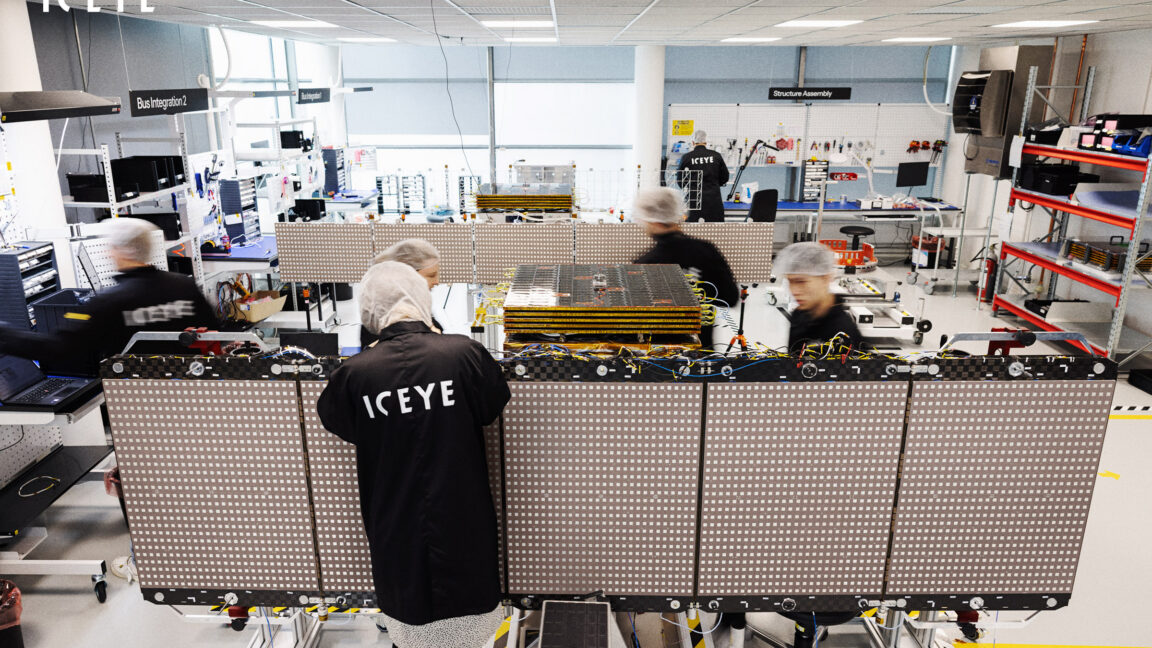
Russian spacecraft maneuvers in "extreme proximity" to satellite used by Ukraine
A Russian military satellite maneuvered in "extreme proximity" of a commercial Earth-imaging satellite in recent days in the first known example an unsanctioned rendezvous in low-Earth orbit, according to orbital intelligence company LeoLabs. The Russian spacecraft, Kosmos 2612,
Ars Technica - All content ·

Mission blasts off for Mars to grab a piece of its moon
A spacecraft is set to launch on an ambitious mission to bring 10g of Martian moon dust back to Earth.
feeds.bbci.co.uk ·