العلوم والبيئة
How a massive ice shelf buttressed the last ice age's glaciers—and what it could mean for Antarctica today
المصدر: Phys.org - latest science and technology news stories · نُشر

About 20,000 years ago, an enormous, floating ice shelf more than a mile (1.6 kilometers) thick helped lock in three of the largest ice sheets in northern Canada and Greenland. When that ice shelf disappeared, it helped unlock part of these ice sheets, which contributed to hundre
About 20,000 years ago, an enormous, floating ice shelf more than a mile (1.6 kilometers) thick helped lock in three of the largest ice sheets in northern Canada and Greenland. When that ice shelf disappeared, it helped unlock part of these ice sheets, which contributed to hundreds of feet of sea level rise, establishing modern coastlines as we know them.
أخبار ذات صلة
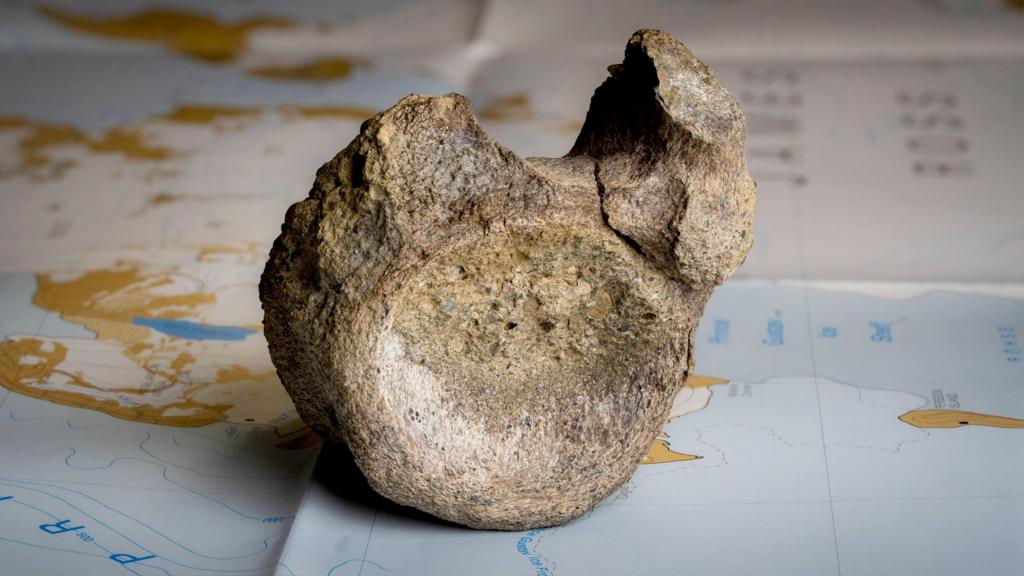
First dinosaur bone from Antarctica found in a drawer
The fossil, collected in Antarctica in 1985, is part of the tail of a beast called a Titanosaur.
feeds.bbci.co.uk ·

How oil-rich Alberta's economy might fare if it broke away from Canada
Albertans vote this month on staying in Canada or moving ahead to a binding independence referendum.
feeds.bbci.co.uk ·

Study finds air quality warnings had only a modest impact on Montrealers' movements during wildfires
When Environment and Climate Change Canada (ECCC) urged Montrealers to limit outdoor activity during Canada's worst wildfire smoke episodes, the city's travel patterns shifted—but far less than public health officials might have hoped, according to a new McGill University study p
Phys.org - latest science and technology news stories ·
Antarctica’s sea ice has undergone a stunning reversal
Antarctic sea ice reached its third-lowest winter maximum in 2026, extending a remarkable decline that began after years of record-breaking growth. Scientists are investigating whether the dramatic reversal signals a long-term shift in Antarctica's frozen landscape.
All Top News -- ScienceDaily ·
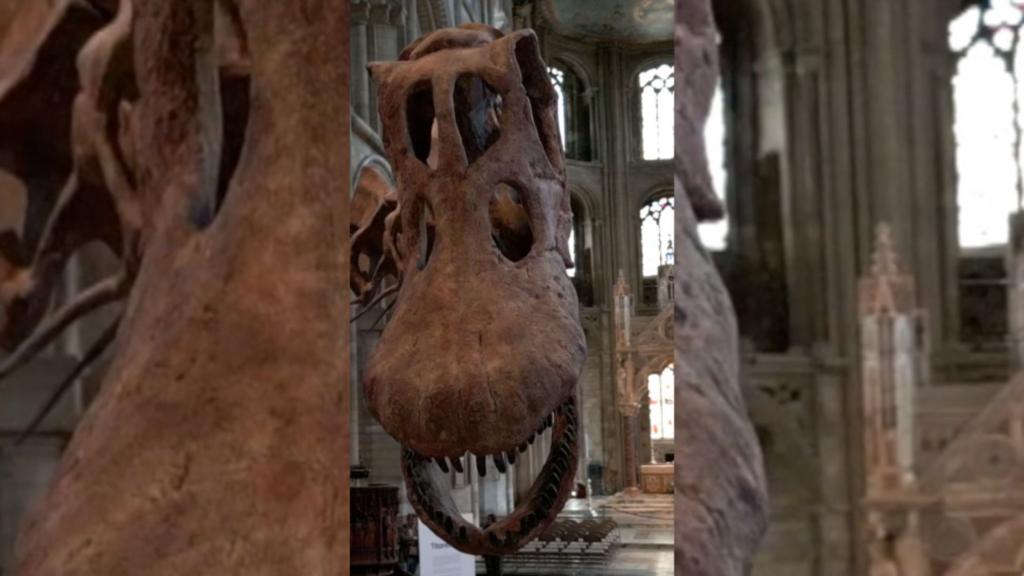
Fossil identified as first dinosaur ever found in Antarctica
Argentinian geologist Eduardo Olivero became the first scientist to find the remains of a dinosaur in Antarctica in 1986.
feeds.bbci.co.uk ·