العلوم والبيئة
Disaster recovery work temporarily boosted short-term physical and mental benefits for men
المصدر: Phys.org - latest science and technology news stories · نُشر

New Northwestern University research aims to shed light on what drives inequalities among men in the aftermath of megadisasters. In such situations, men are often depicted as heroic leaders, and this study finds that many of them experience improved mental and physical health whi
New Northwestern University research aims to shed light on what drives inequalities among men in the aftermath of megadisasters. In such situations, men are often depicted as heroic leaders, and this study finds that many of them experience improved mental and physical health while assisting with recovery efforts. However, for some men, the boost is short-lived once recovery activities are completed, leading to emotional lows and potentially increasing the risk of suicide.
أخبار ذات صلة

Marine heat waves suppress nutrient use, reproductive flexibility in humpback whales
A new study led by University of Hawai'i (UH) at Mānoa researchers reveals how extreme ocean warming disrupts whale metabolism, nutrition and reproductive success and what the developing 2026–2027 El Niño could mean next. As climate change drives increasingly intense marine heat
Phys.org - latest science and technology news stories ·

Strategic new protections could link 13 Pacific deep-sea reserves into connected network
Protected areas have been set up to shield deep-sea life from the impacts of seabed mining in the Pacific Ocean. However, new research led by scientists at Plymouth Marine Laboratory (PML) and published in Nature Ecology & Evolution highlights an opportunity to make these protect
Phys.org - latest science and technology news stories ·

More than just the thrill: What are 'sensation seekers' looking for?
Why are some people more drawn to new and exciting experiences than others? This phenomenon is usually explained by the fact that so-called "sensation seekers" experience stimuli less intensely than other people and therefore need intense experiences to feel alive. However, the u
Phys.org - latest science and technology news stories ·

Could experts have a solution to toxic algae?
Experts from the University of Bath are testing out a new invention at a lake in Wiltshire.
feeds.bbci.co.uk ·
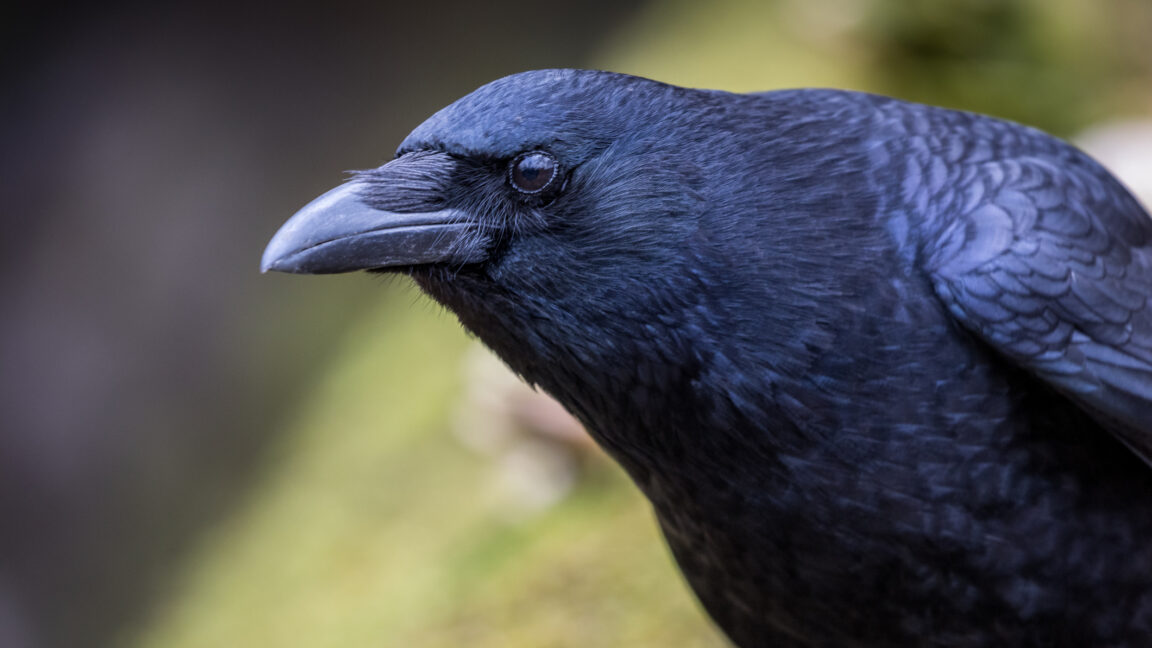
Crows can evaluate visual info twice as fast as mammals
Much of what we know about how a brain makes decisions comes from studying monkeys watching dots. in a task known as a random-dot-motion task, a cloud of flickering specks drifts weakly in one direction while the subject tries to determine whether—and in which direction— it’s mov
Ars Technica - All content ·