التقنية والذكاء الاصطناعي
Dinosaur-killing impact crater might have been teeming with life
المصدر: Ars Technica - All content · نُشر
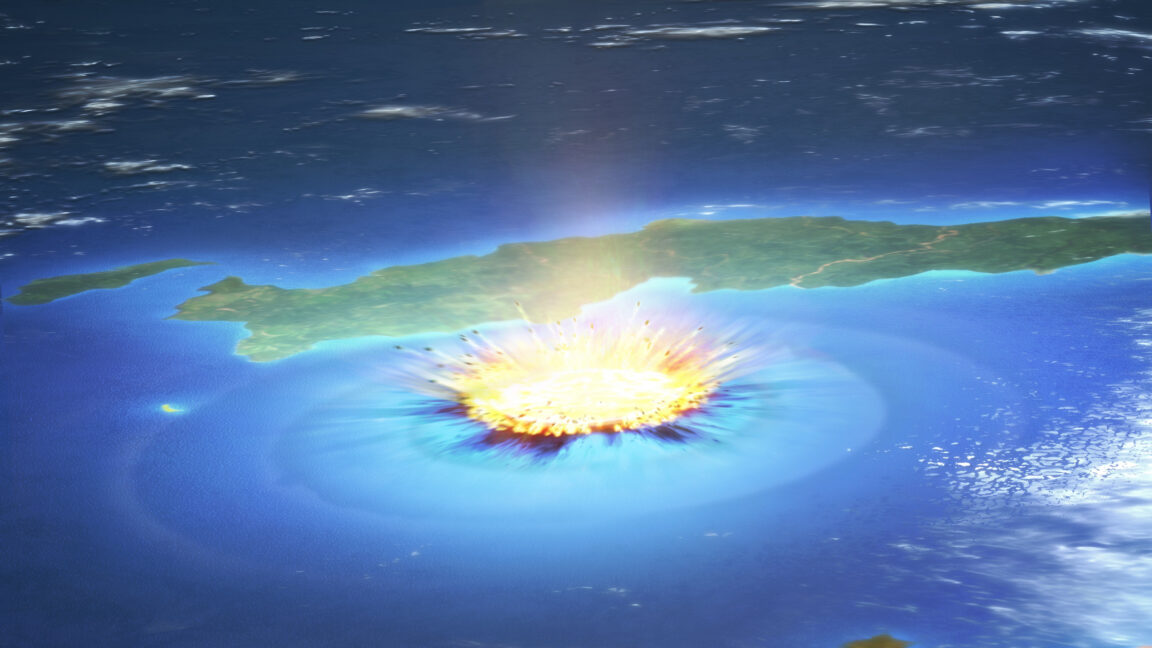
About 66 million years ago, the Chicxulub asteroid smashed into Earth, kicking up tsunamis and dropping hot debris that annihilated non-avian dinosaurs and many other species. But not everything it left in its wake was destructive. This space rock hit what is now the partially su
About 66 million years ago, the Chicxulub asteroid smashed into Earth, kicking up tsunamis and dropping hot debris that annihilated non-avian dinosaurs and many other species. But not everything it left in its wake was destructive. This space rock hit what is now the partially submerged Yucatan Peninsula, and at the bottom of the ocean, the impact generated enough heat to create a hydrothermal system that persisted for 8 million years and may have been a hotbed of life.
When researchers drilled for samples in the impact zone in 2016, they studied the types of rock that had formed as a result of the asteroid strike. This gave more insight into what happened in the immediate and long-term aftermath of this cataclysmic event. The collision was intense enough to cause deformation far beneath the surface.
Subterranean effects reached 35 km (almost 22 miles) down, and included the melting an immense amount of rock. Exposure to seawater made that rock porous. As hot water seeped into the pores, a hydrothermal system formed.
The hot water gushing into an isolated region of the freezing depths could have attracted microorganisms and possibly other life forms that were otherwise struggling to survive. Read full article Comments
أخبار ذات صلة

Rock, paper, scissors! London Marathon start dates decided with iconic game!
Racers Sabastian Sawe and Catherine Debrunner decide the start dates for the London Marathon with a good old game of rock, paper, scissors!
SkySports | News ·

'Rock, paper, scissors' decides order of London Marathon races
A game of rock, paper, scissors is used to determine when the elite female and male races will take place at next year's two-day London Marathon.
feeds.bbci.co.uk ·
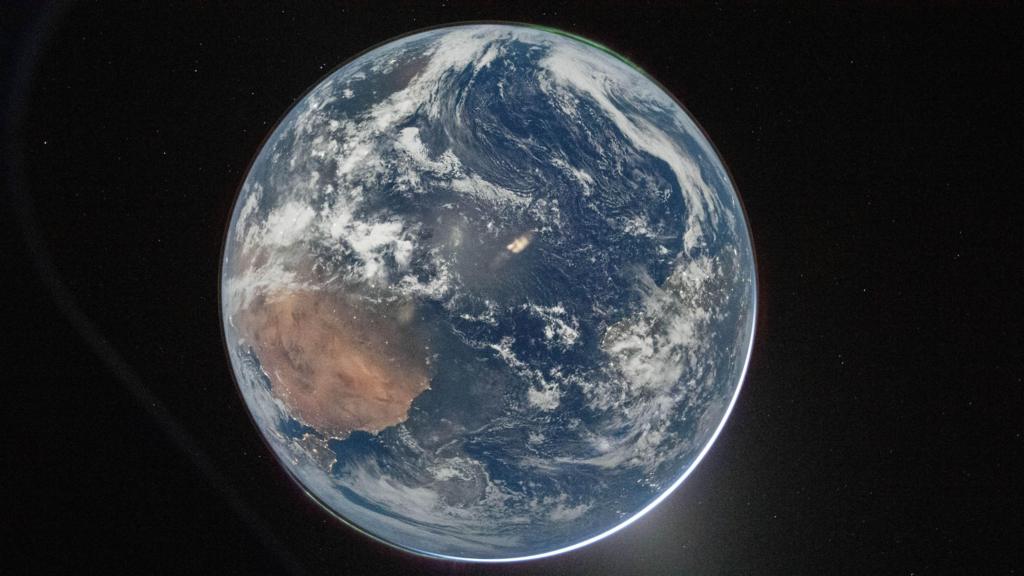
The 40 minutes when the Artemis crew loses contact with the Earth
As the astronauts pass behind the Moon they will experience a moment of silence and solitude as communication with the Earth is blocked.
feeds.bbci.co.uk ·
Pompeii’s 2,000-year-old eruption just gave scientists a better clock for Earth’s past
Mount Vesuvius’ famous 79 CE eruption has given scientists a remarkably precise benchmark for dating events deep in Earth’s past. The improved technique could sharpen the timelines of volcanic eruptions, asteroid impacts, extinctions, and other major moments in geological history
All Top News -- ScienceDaily ·

Orionid meteor shower to streak across night sky this week
The Orionid meteor shower peaks in October as Earth passes through debris left behind by Halley’s Comet.
feeds.bbci.co.uk ·