التقنية والذكاء الاصطناعي
Anduril says its first satellite can see adversaries maneuver in orbital night
المصدر: Ars Technica · نُشر
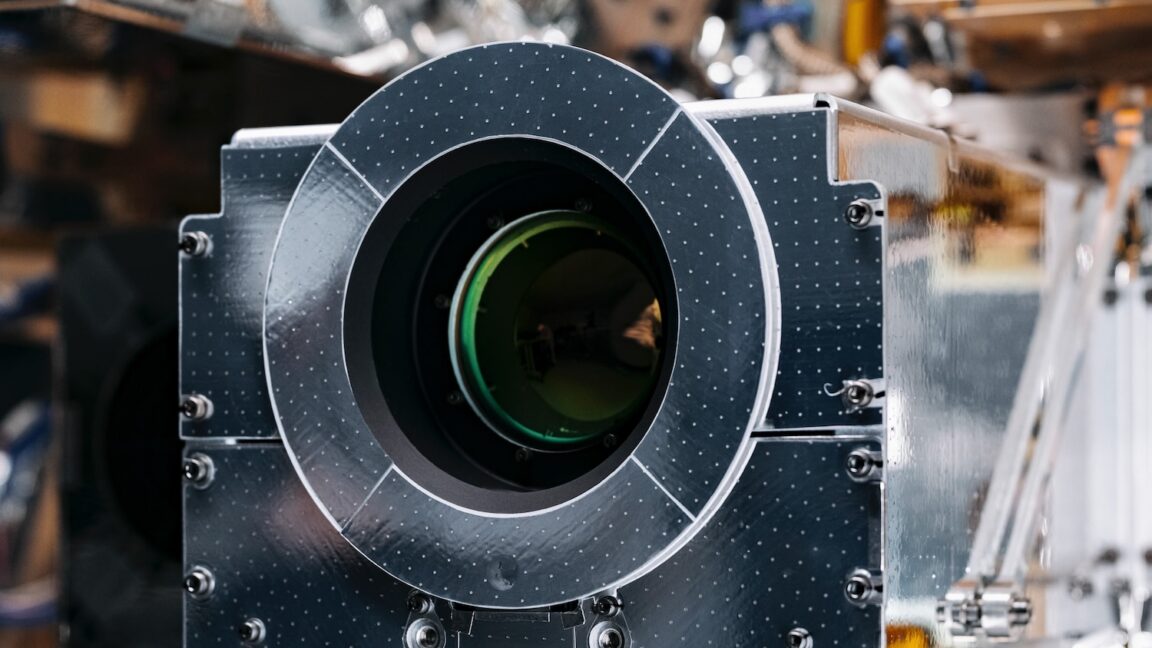
Anduril Industries has announced the successful demonstration of a new satellite-based sensor designed to track other spacecraft that may be hiding their maneuvers in Earth's shadow. Funded with Anduril's internal capital, the company's oven-sized satellite launched on a SpaceX r
Anduril Industries has announced the successful demonstration of a new satellite-based sensor designed to track other spacecraft that may be hiding their maneuvers in Earth's shadow. Funded with Anduril's internal capital, the company's oven-sized satellite launched on a SpaceX rideshare mission in July with a package of tech demo payloads: an edge-compute processor, a power-management system adaptable to different mission types, and a long-wave infrared space sensor capable of detecting other objects in orbit. Anduril reported on the success of the tech demo mission Tuesday.
The company's satellite, named Anduril-216, flies about 590 km (366 mi) above Earth, spending about one-third of each orbit in darkness. Anduril-216's night passes allow its infrared imager to shine. Read full article Comments
أخبار ذات صلة

Why similar changes in cloud cover can have different climate effects
Marine low clouds over the world's eastern subtropical oceans strongly influence Earth's temperature by reflecting sunlight back to space. How these clouds change as the planet warms is one of the biggest uncertainties in predicting the severity of future warming.
Phys.org - latest science and technology news stories ·
NASA reveals Earth's ozone hole has grown to a size not seen in a decade
The Antarctic ozone hole expanded to its seventh-largest size on record in 2026, driven by unusual weather conditions that pushed it close to its historic maximum. Scientists say international restrictions on ozone-destroying chemicals prevented even greater damage, and Earth's p
All Top News -- ScienceDaily ·
Paleontologists discover “one-in-a-million” fossil with 450-million-year-old soft tissue
Scientists have discovered a remarkably preserved 450-million-year-old fossil containing soft tissues from an ancient starfish relative, revealing unexpected details about marine life more than 200 million years before dinosaurs existed. Found in a museum collection, the extraord
All Top News -- ScienceDaily ·
Hidden climate superpower: Why some ocean “snow” carries six times more carbon
Scientists have discovered that the stickiness of underwater “marine snow” plays a surprisingly important role in how much carbon reaches the deep ocean. Gooier particles resist bacterial breakdown and can transport more than six times as much carbon to the depths, revealing an u
All Top News -- ScienceDaily ·
An ancient ocean full of giant predators reveals a surprising twist in evolution
A remarkable fossil discovery in Colombia is challenging how scientists understand major evolutionary changes in Earth's history. Researchers uncovered an incredibly diverse ancient marine ecosystem where giant reptiles, sharks, and other creatures thrived as older evolutionary g
All Top News -- ScienceDaily ·