التقنية والذكاء الاصطناعي
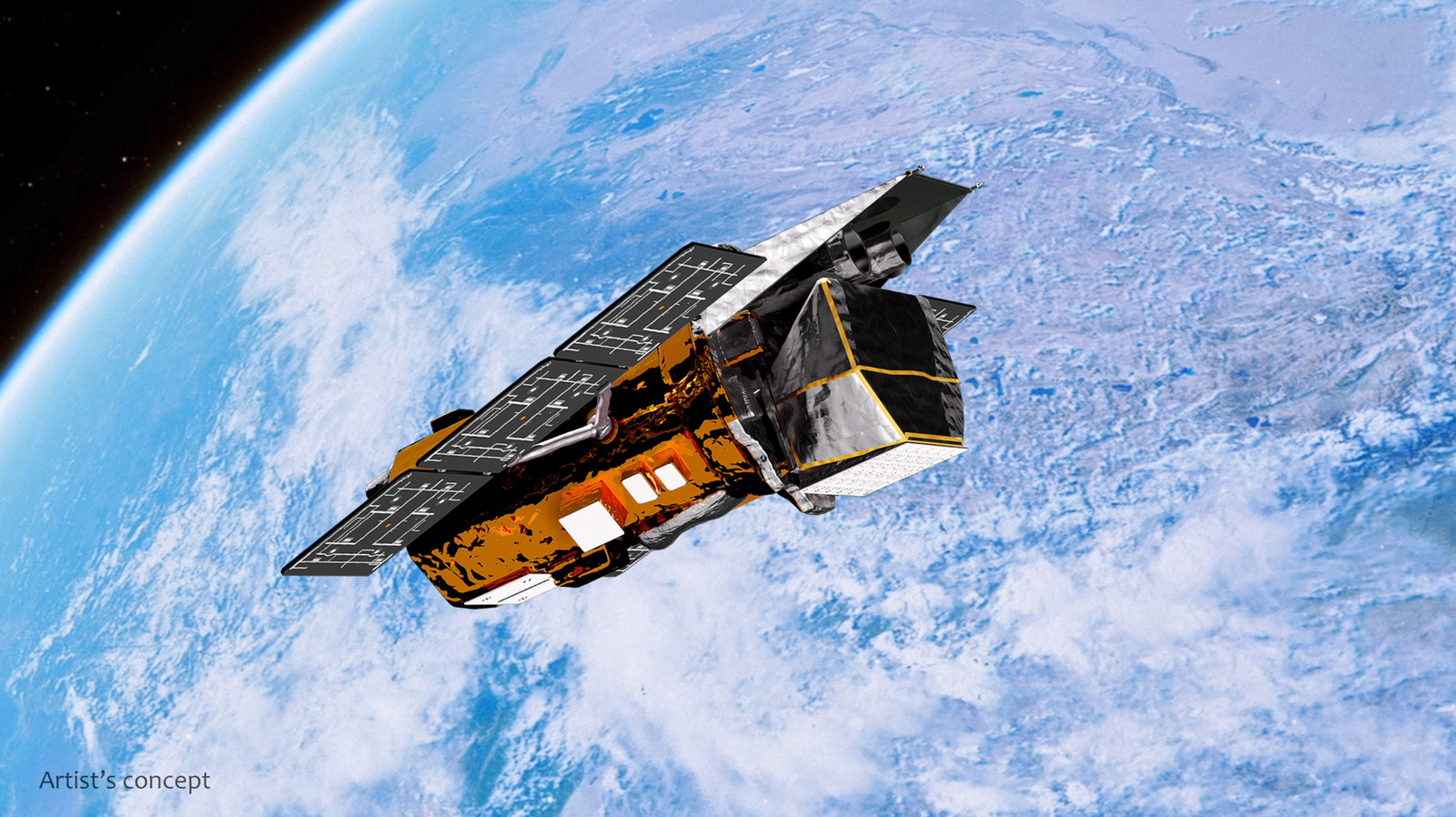
A truck-sized NASA space telescope is about to crash to Earth
المصدر: The Verge · نُشر

Almost 22 years after it was launched, NASA's Swift Observatory is now about to fall back to Earth on Wednesday after attempts to push it back into a higher orbit failed. NASA announced that the aging space telescope is anticipated to re-enter Earth's atmosphere at approximately
Almost 22 years after it was launched, NASA's Swift Observatory is now about to fall back to Earth on Wednesday after attempts to push it back into a higher orbit failed. NASA announced that the aging space telescope is anticipated to re-enter Earth's atmosphere at approximately 3:30AM ET (give or take 11 hours), and that it expects most of the spacecraft to burn up, but some components will likely survive re-entry. The observatory weighs around 3,200 pounds and measures in at 5.6 meters (18.4 feet) high and 5.4 meters (17.7 feet) wide, though much of the latter includes its deployable solar arrays.
The risk of surviving components causing … Read the full story at The Verge.
أخبار ذات صلة
NASA's Swift observatory is expected to return to Earth on November 4
The US Armed Forces says NASA's Swift observatory will re-enter Earth's atmosphere in the early hours of November 4.
Engadget - Technology News & Expert Reviews ·

NASA’s Swift Observatory Is Falling to Earth. Here’s What to Know About the Impending Impact
The 3,200-pound satellite is expected to reenter Earth’s atmosphere later this week with a wide reentry zone covering parts of Africa, Australia, Southeast Asia, and South America.
WIRED ·
NASA reveals a haunting skull hidden in Antarctica’s ice
NASA satellites have captured an eerie, skull-shaped formation on a remote Antarctic island, but its haunting appearance conceals a troubling warning about melting glaciers. Unusually warm winter temperatures have exposed large areas of dark ice, potentially accelerating future m
All Top News -- ScienceDaily ·
NASA discovers Jupiter’s invisible shield is more complex than Earth’s
NASA’s Juno spacecraft has discovered that Jupiter uses a surprisingly complex system of powerful plasma waves and multiple shock regions to defend against the solar wind. The findings reveal major differences between Jupiter and Earth and could help scientists understand the eno
All Top News -- ScienceDaily ·
Meteors don't just burn up. What really happens is far more violent
Scientists have uncovered seven surprising stages that space rocks go through as they hurtle toward Earth, revealing that melting and violent fragmentation, rather than simple evaporation, determine their fate. The discovery could help explain why meteorites scatter across the gr
All Top News -- ScienceDaily ·